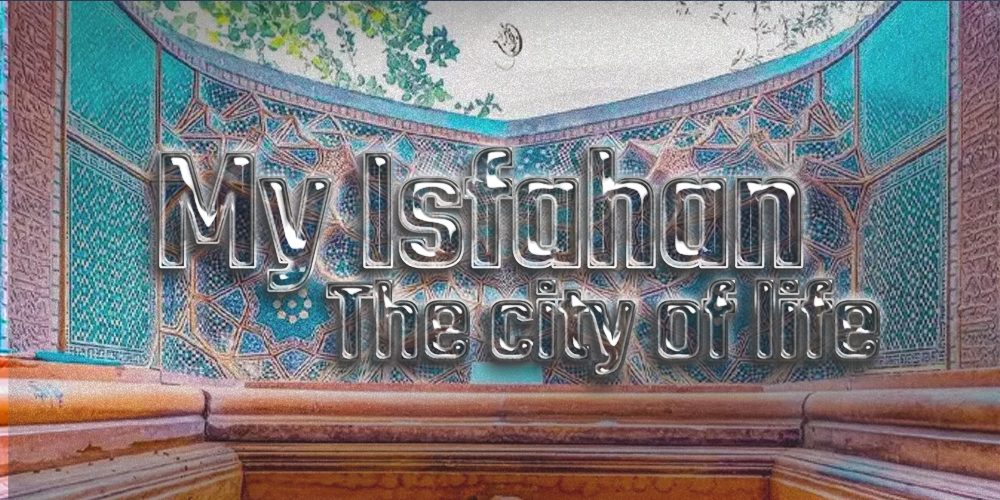

Isfahan, often referred to as “Half of the World,” boasts a rich history that dates back to ancient Persia, serving as a vital cultural and economic hub throughout various dynasties, particularly during the Safavid era in the 16th and 17th centuries. The city is renowned for its stunning Islamic architecture, exemplified by the magnificent Naqsh-e Jahan Square, a UNESCO World Heritage site, which is surrounded by remarkable monuments such as the Shah Mosque, Ali Qapu Palace, and Sheikh Lotfollah Mosque, showcasing intricate tile work and grand domes. Isfahan’s culture is a vibrant tapestry woven from its Persian heritage, reflected in its traditional crafts, such as carpet weaving and miniature painting, as well as its lively bazaars and renowned cuisine. The city’s artistic legacy is further enriched by its historic bridges, like the Si-o-se-pol and Khaju Bridge, which not only serve as functional structures but also as symbols of Isfahan’s enduring beauty and architectural ingenuity.
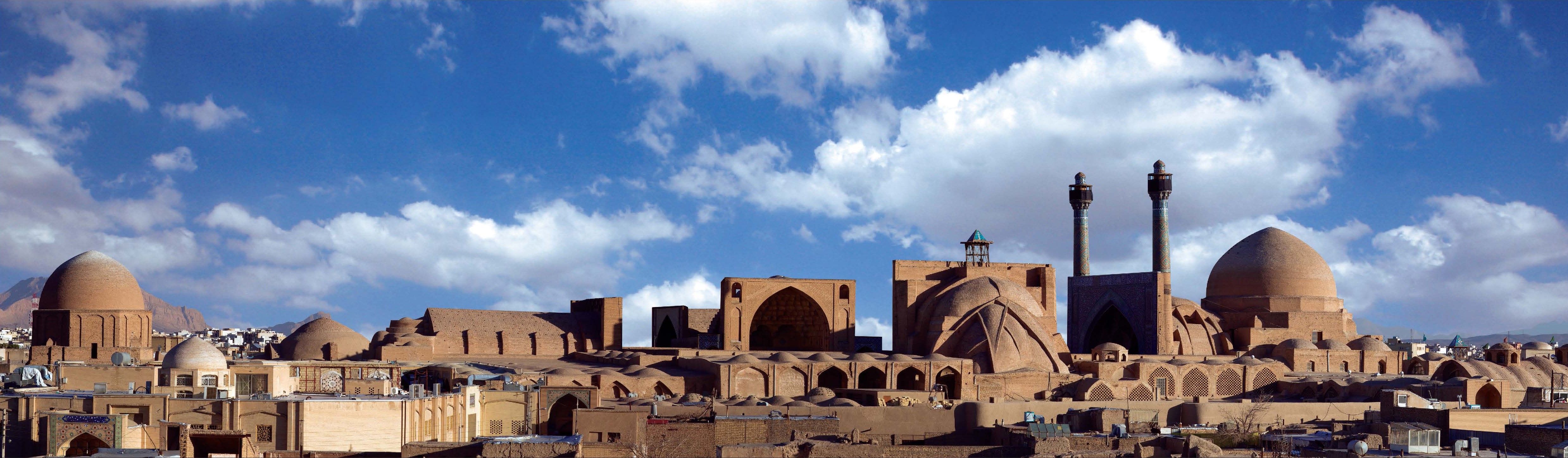
Jameh Mosque of Isfahan
Jameh Mosque of Isfahan, also known as the "Masjed-e Atigh-e Isfahan" or the "Masjed-e Jomeh-e Isfahan," is one of the old...
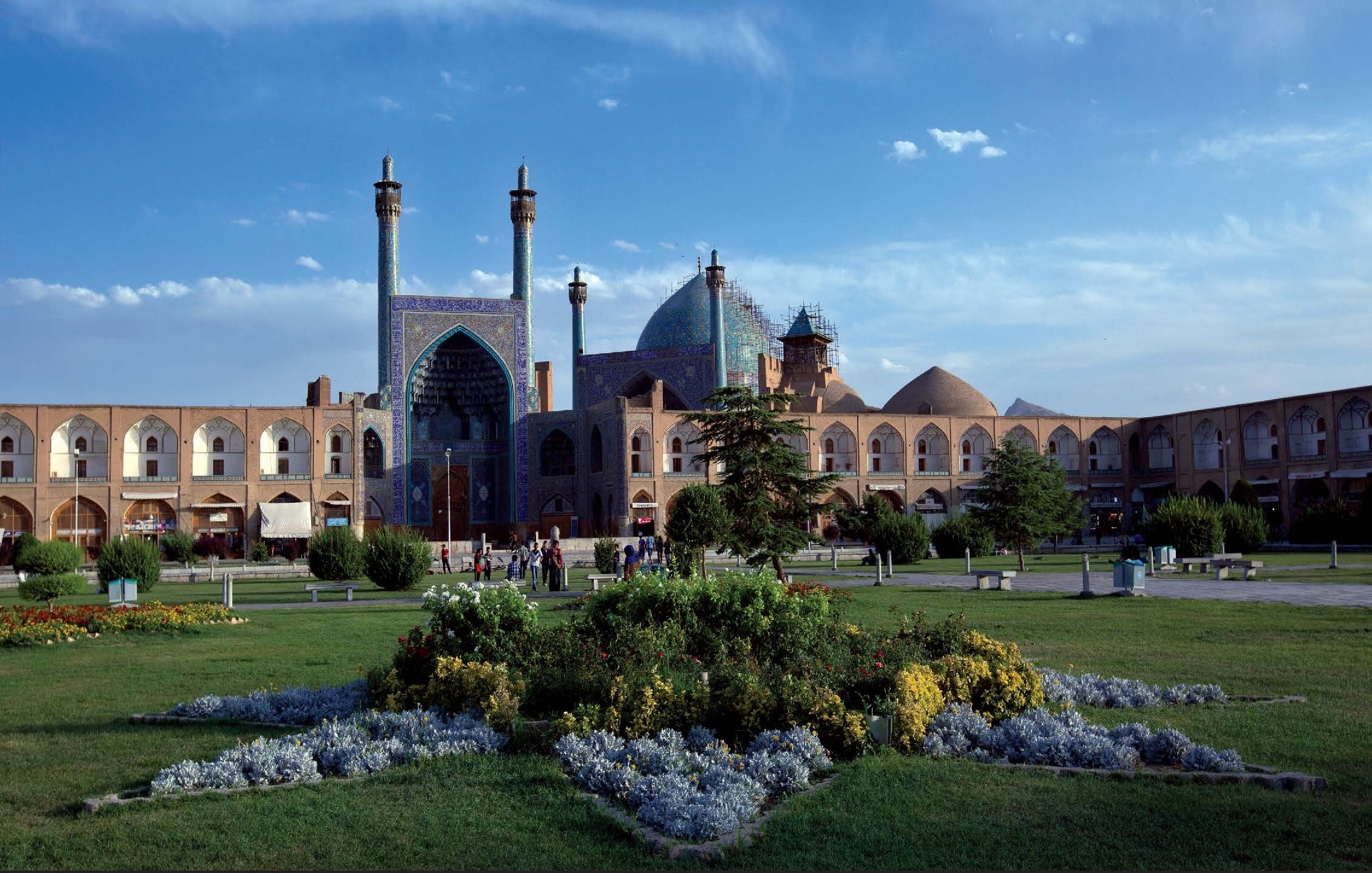
Abbasi Jameh Mosque
Abbasi Jameh Mosque, also known as Imam Mosque, is located on the southern side of Naqsh-e Jahan Square and is the most im...
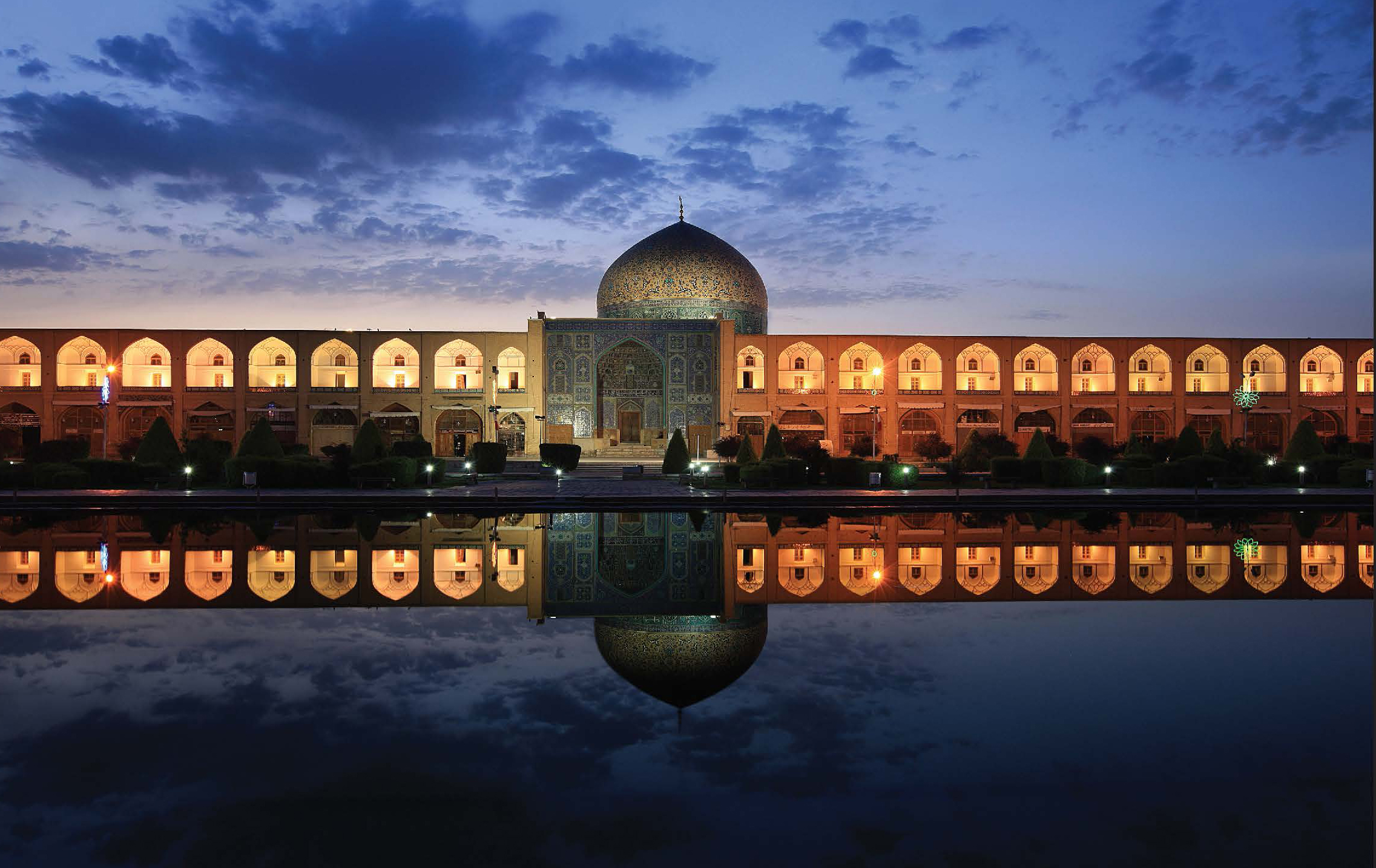
Sheikh Lotfollah Mosque
Sheikh Lotfollah Mosque, situated on the eastern side of Naqsh-e Jahan Square, is recognized as one of Isfahan's most prom...
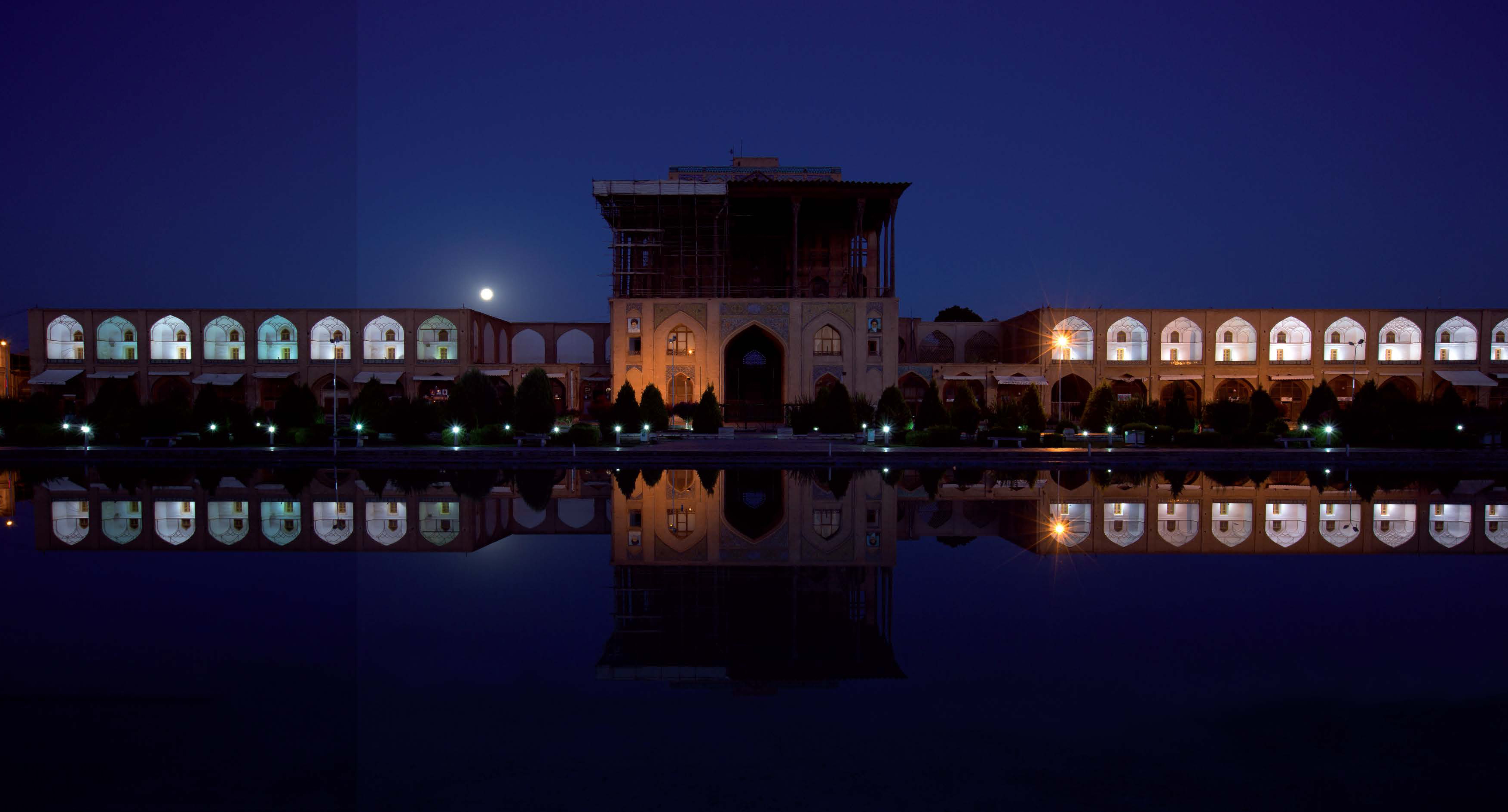
Ali Qapu Palace
Ali Qapu Palace is located on the western side of Naqsh-e Jahan Square. It was also built by order of Shah Abbas I in the ...
.JPG)
Chehel Sotoun Palace
"Chehel Sotoun Garden," with over 67 thousand square meters, was constructed during the reign of Shah Abbas I by making a ...