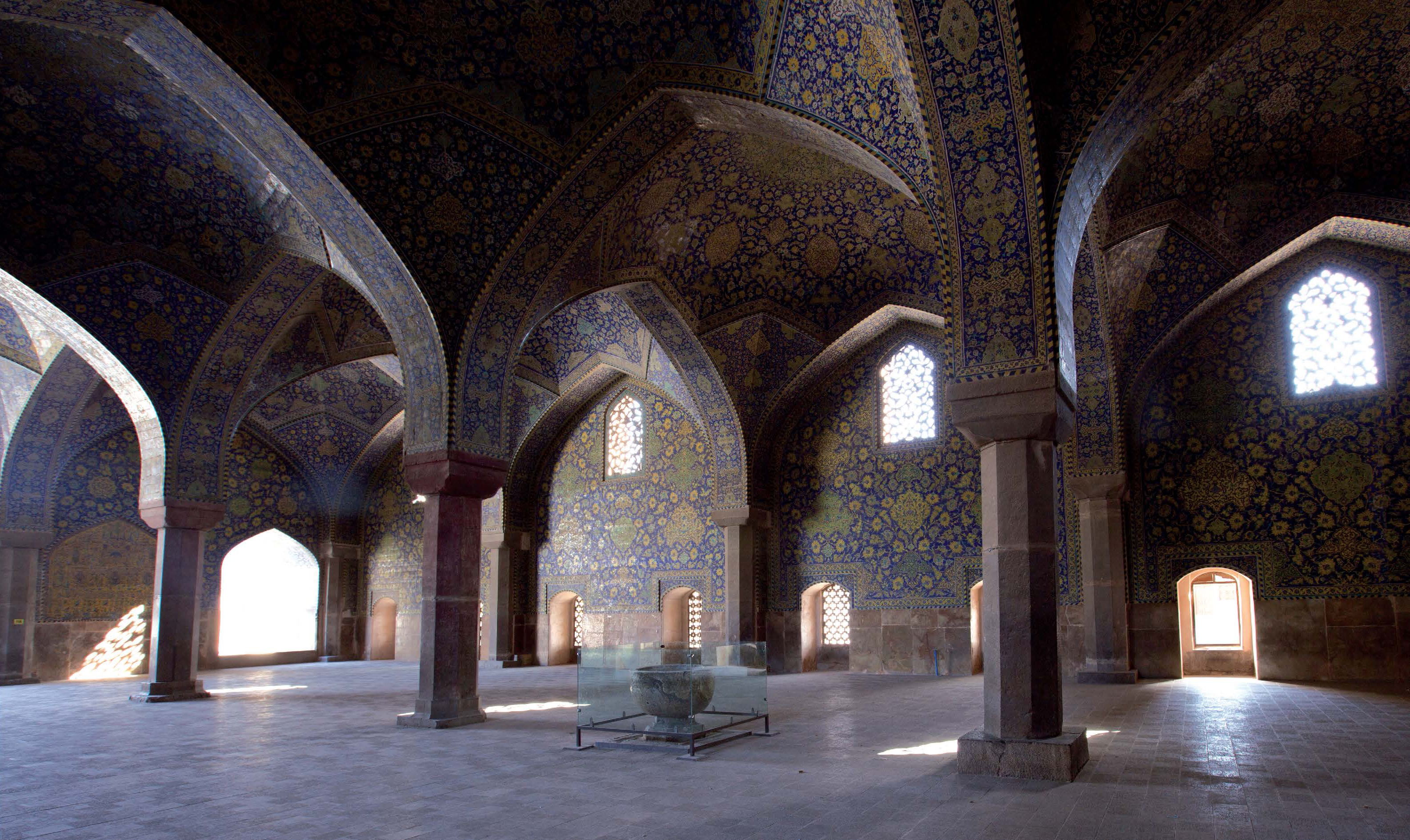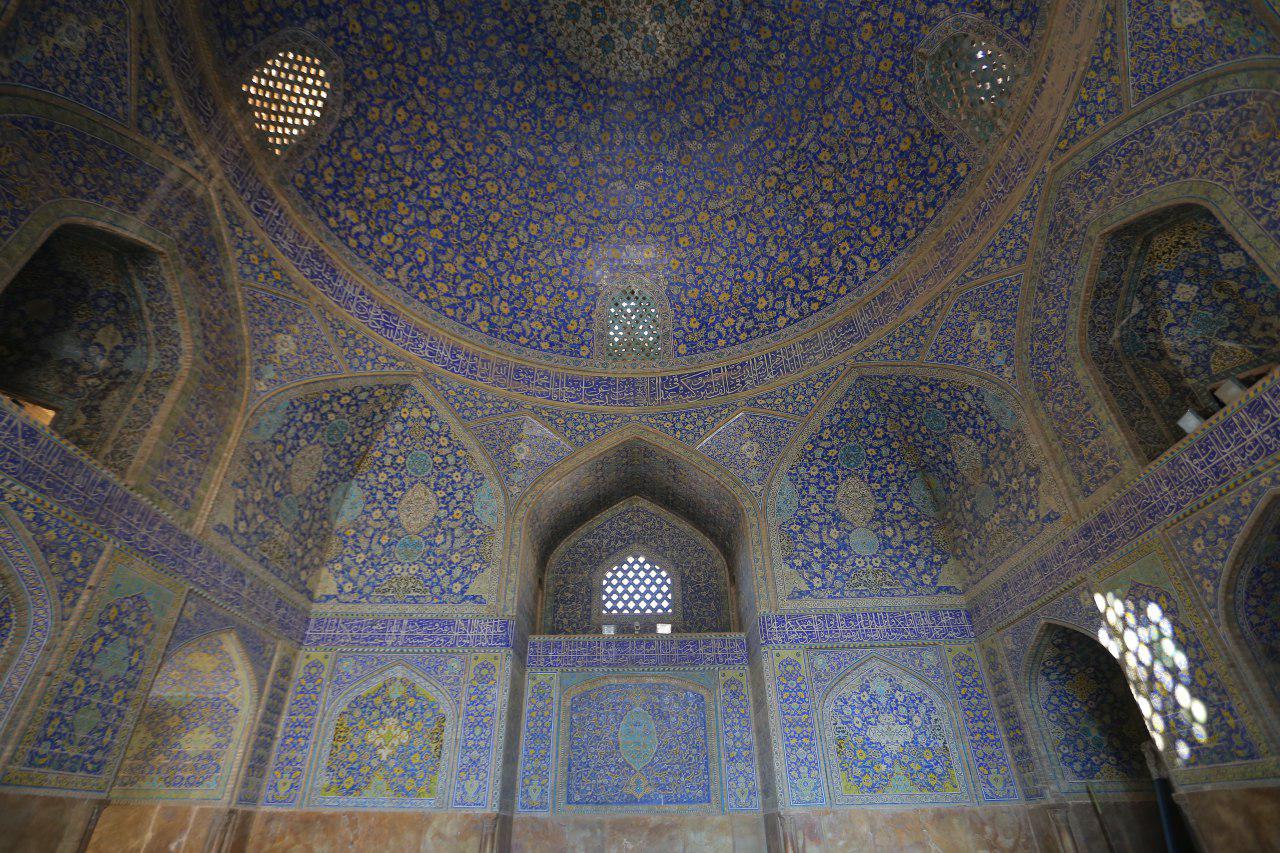

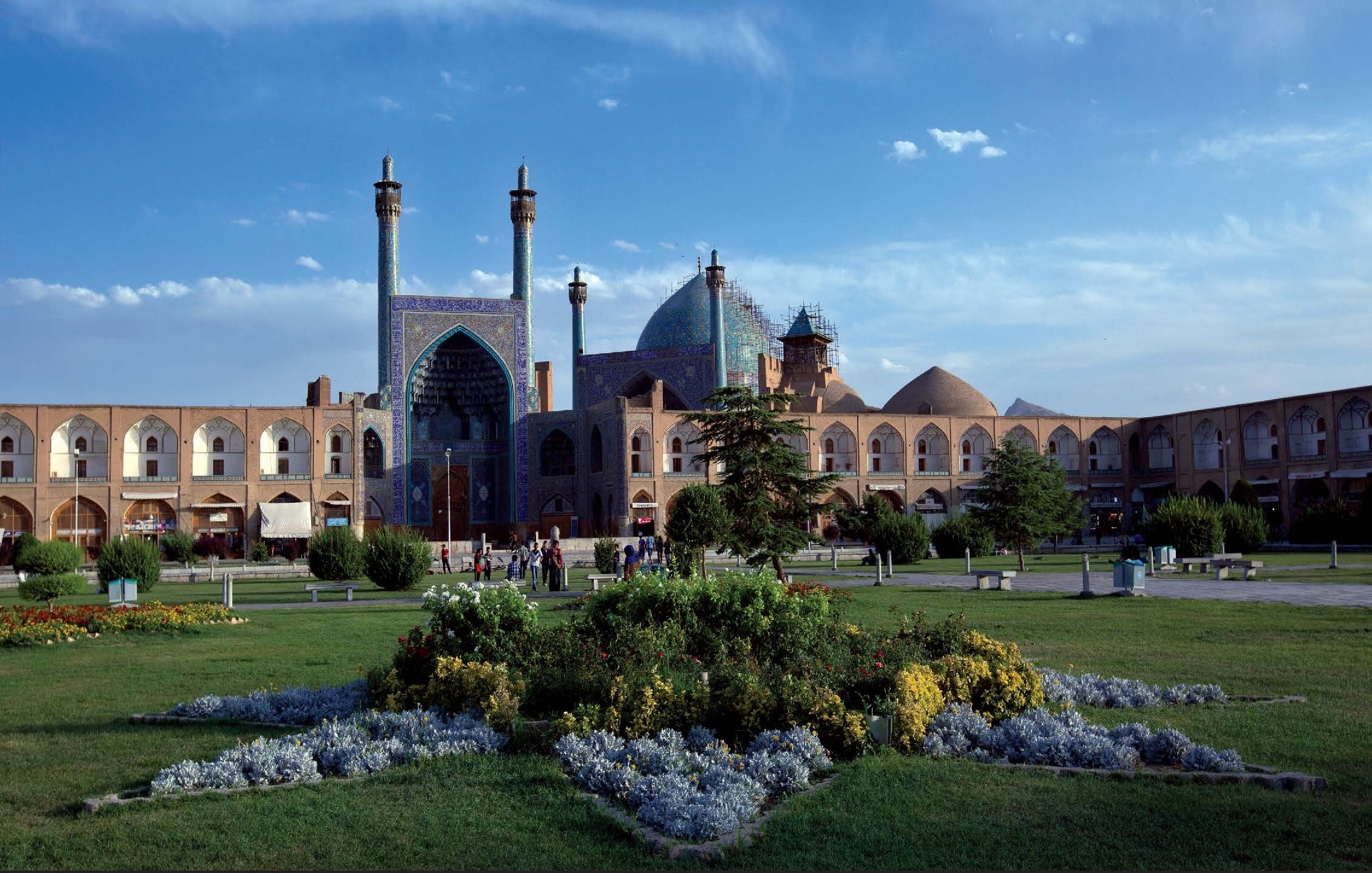
Abbasi Jameh Mosque, also known as Imam Mosque, is located on the southern side of Naqsh-e Jahan Square and is the most important mosque of the Safavid era in Isfahan.
Shah Abbas I ordered the construction of its main structure in 1611 (1020 AH); the completion of decorations and annexes to the mosque continued during his successors' reign.
Ostad (Master) Ali Akbar-e Isfahani was the architect of this magnificent building, and the inscriptions were written by renowned calligraphers of the Safavid era, such as Alireza Abbasi, Mohammad Reza Emami, and Abdul Baqi Tabrizi.
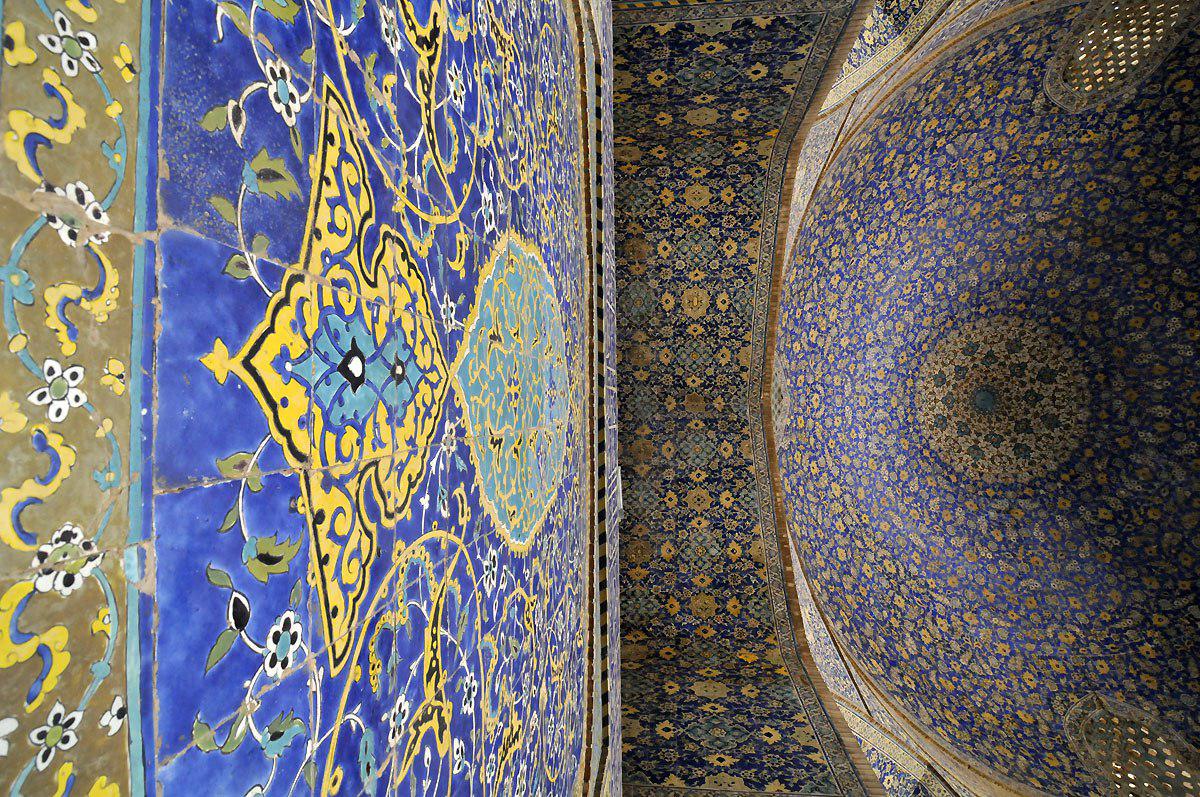
Most of the decorative arts used in Abbasi Jameh Mosque are masterpieces of Iranian architecture, tilework, and stone carving from the eleventh century A.H. Seven-color glazed tiles and mosaics have been used significantly in constructing the building.
The attractive features of the mosque include sizable integrated marble stones and significant stone lavers, especially the splendid stone laver of the western Shabestan (Chamber) of the great dome.
 (1).jpg)