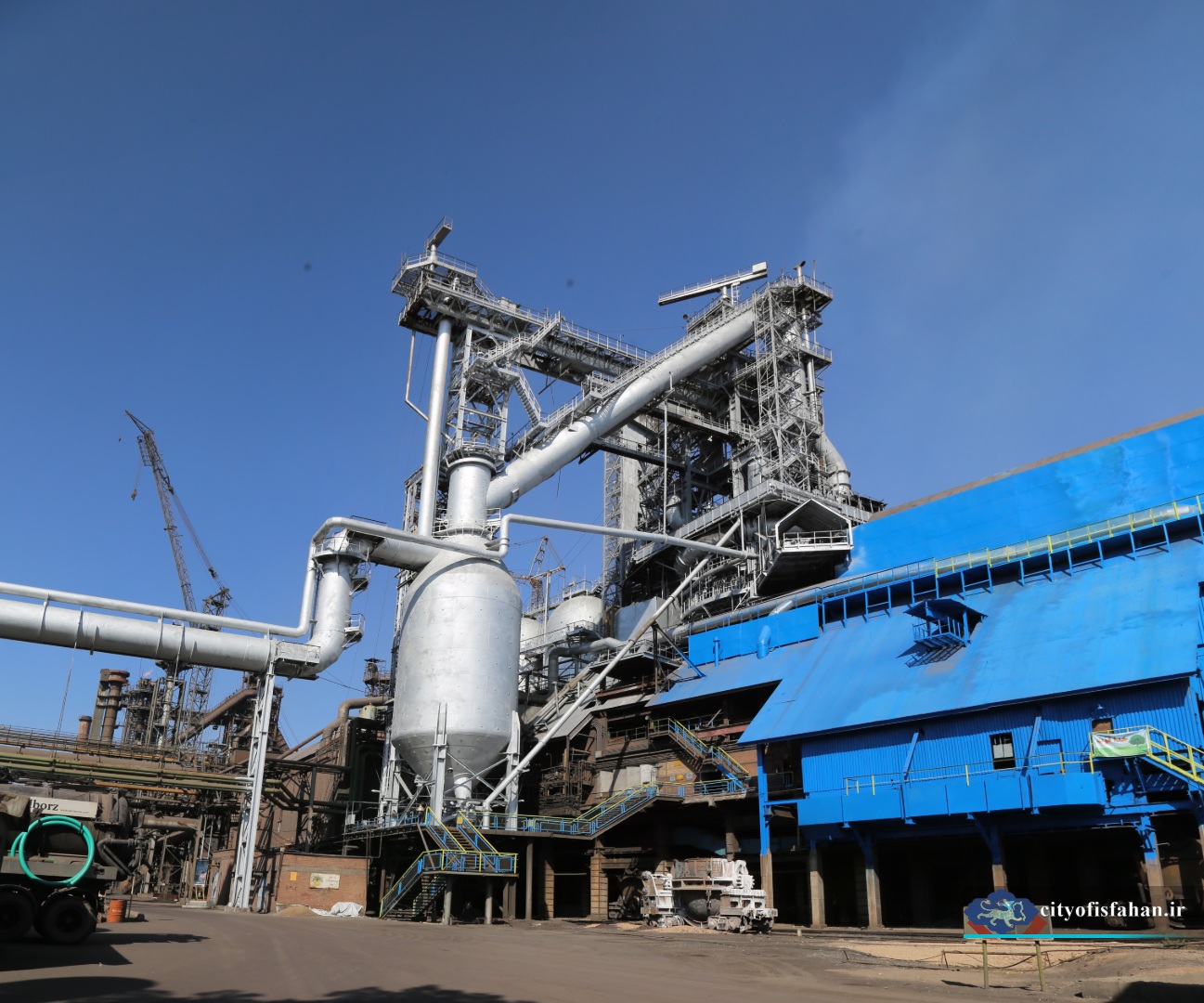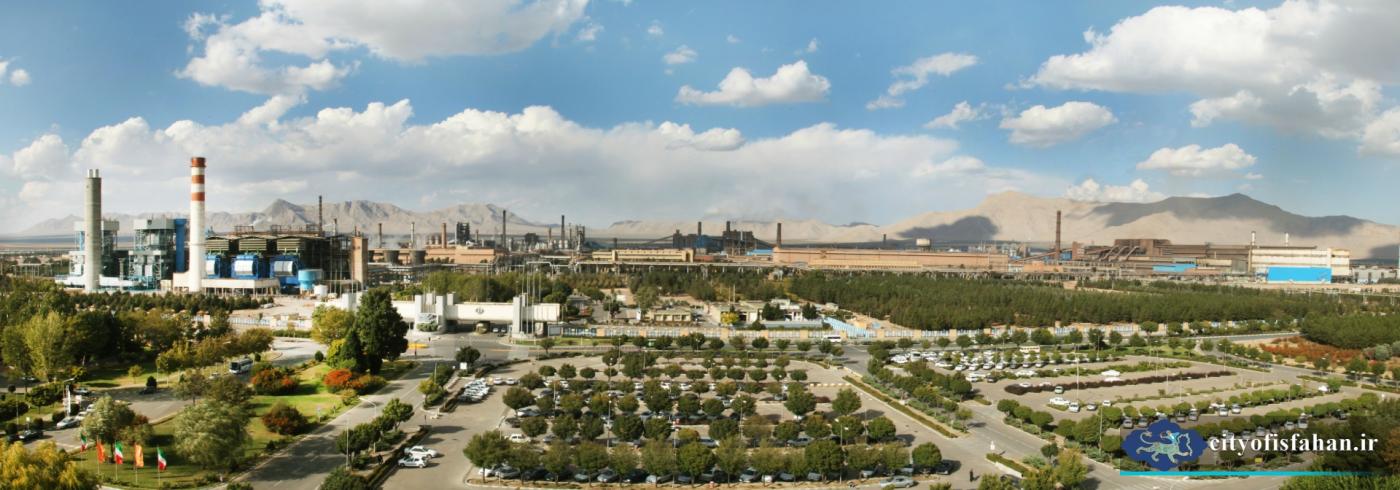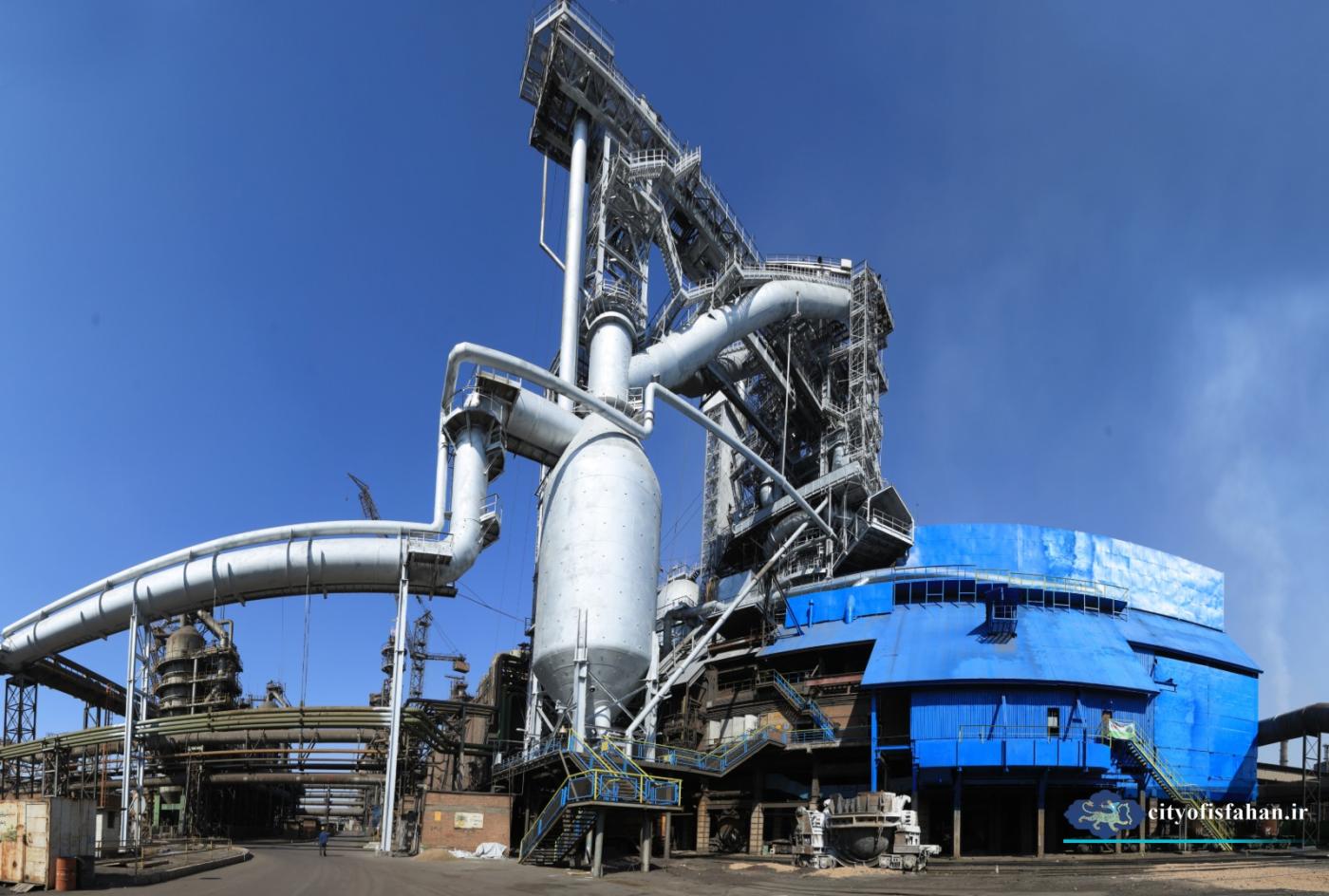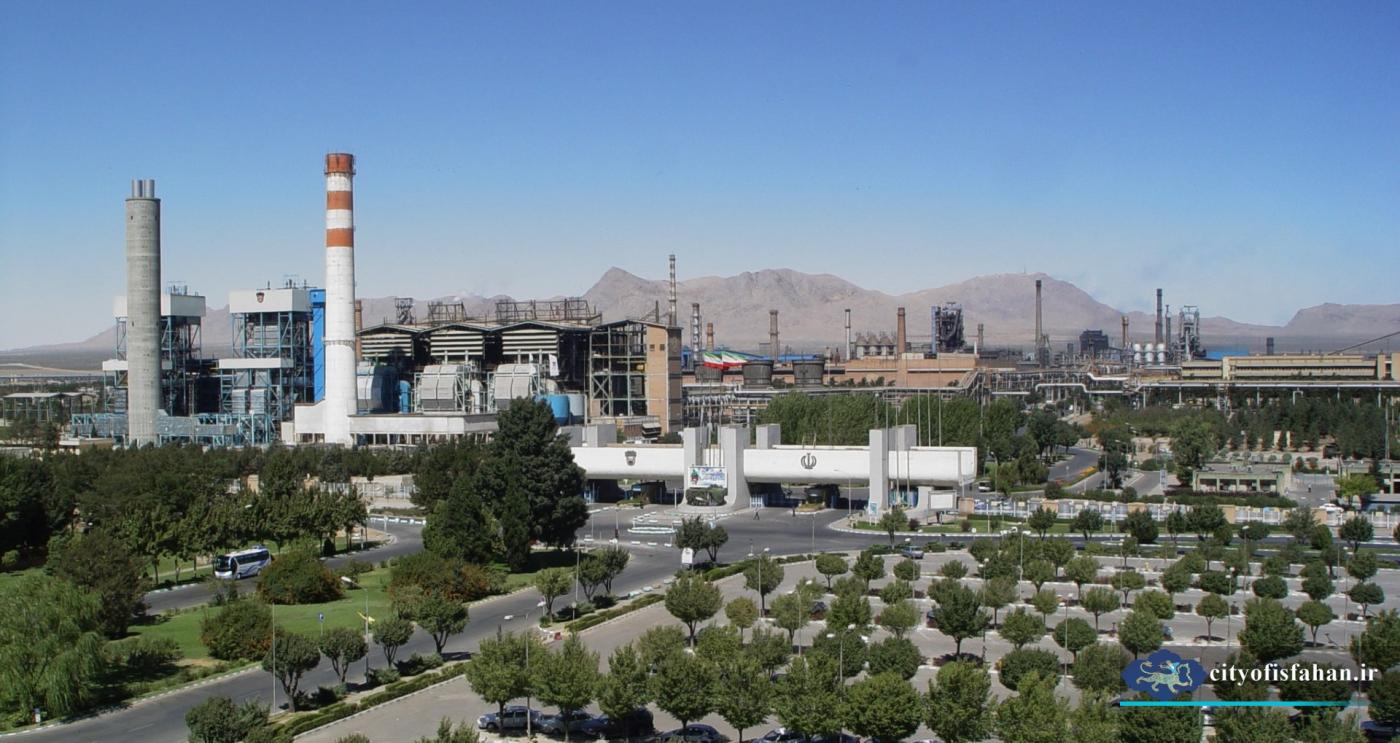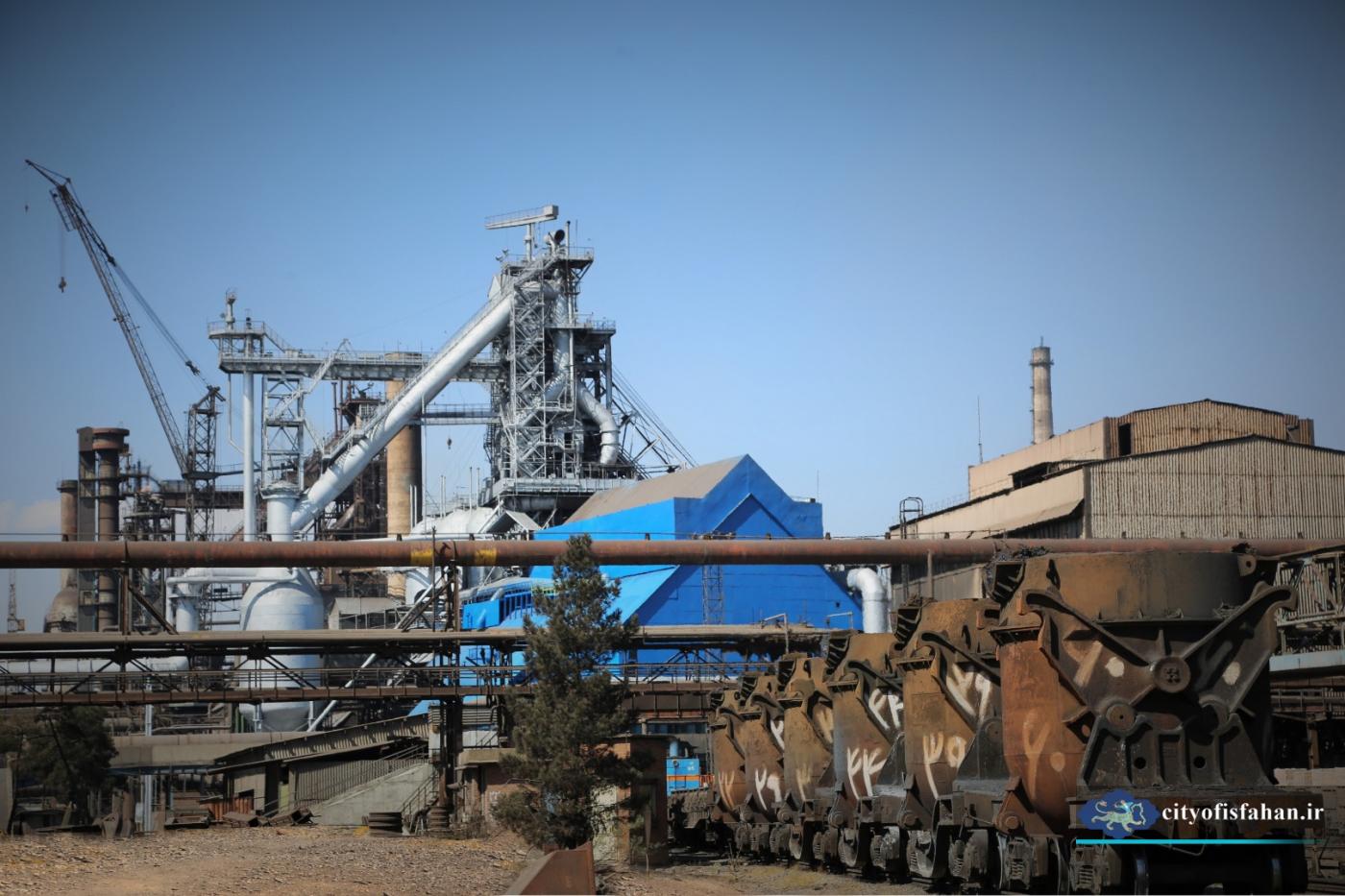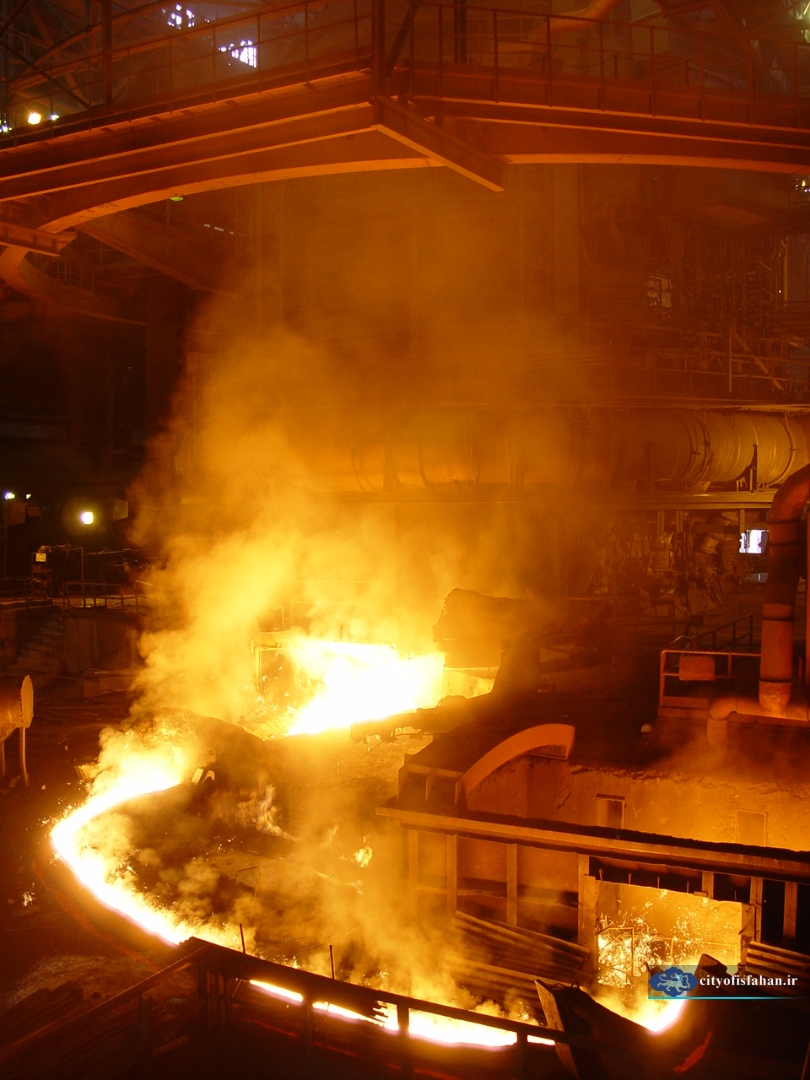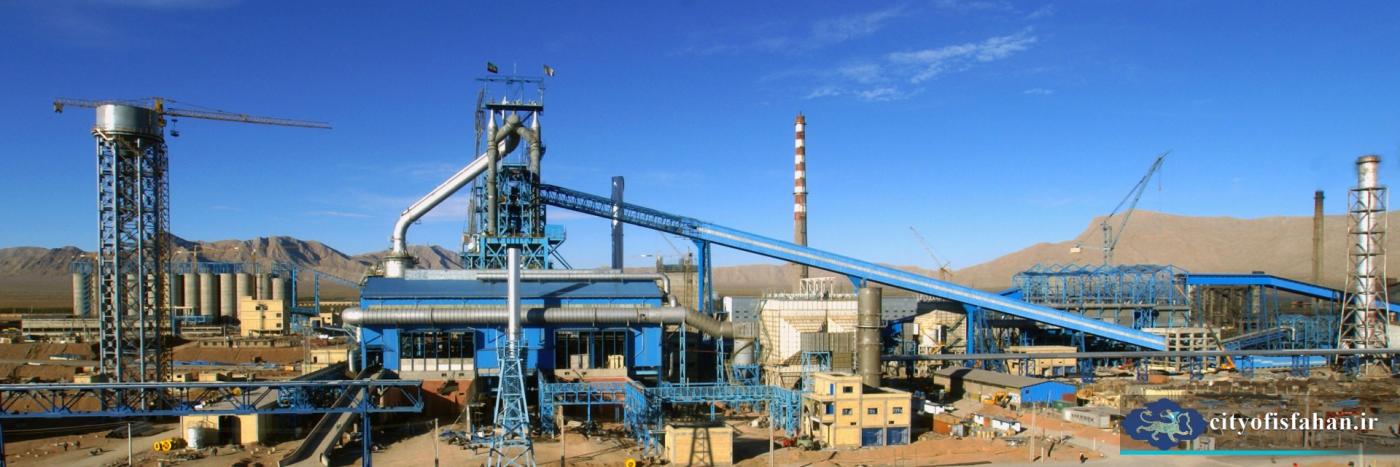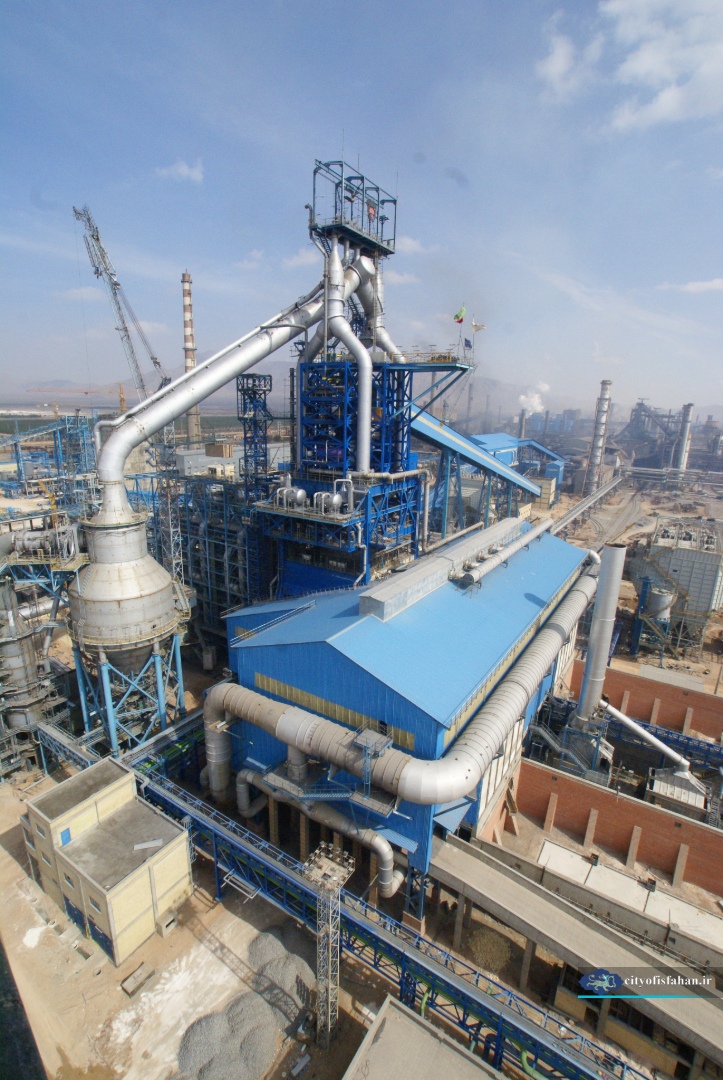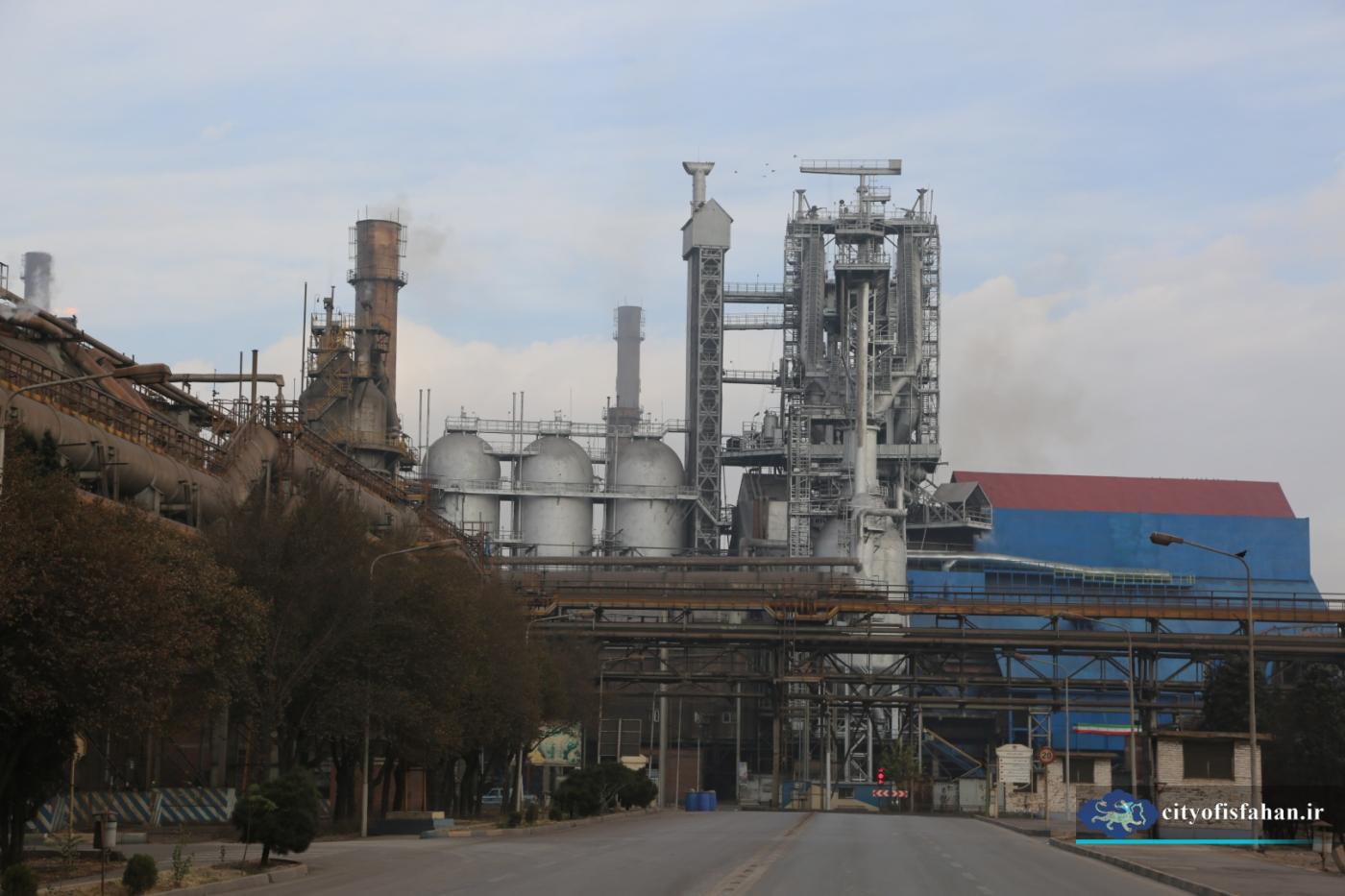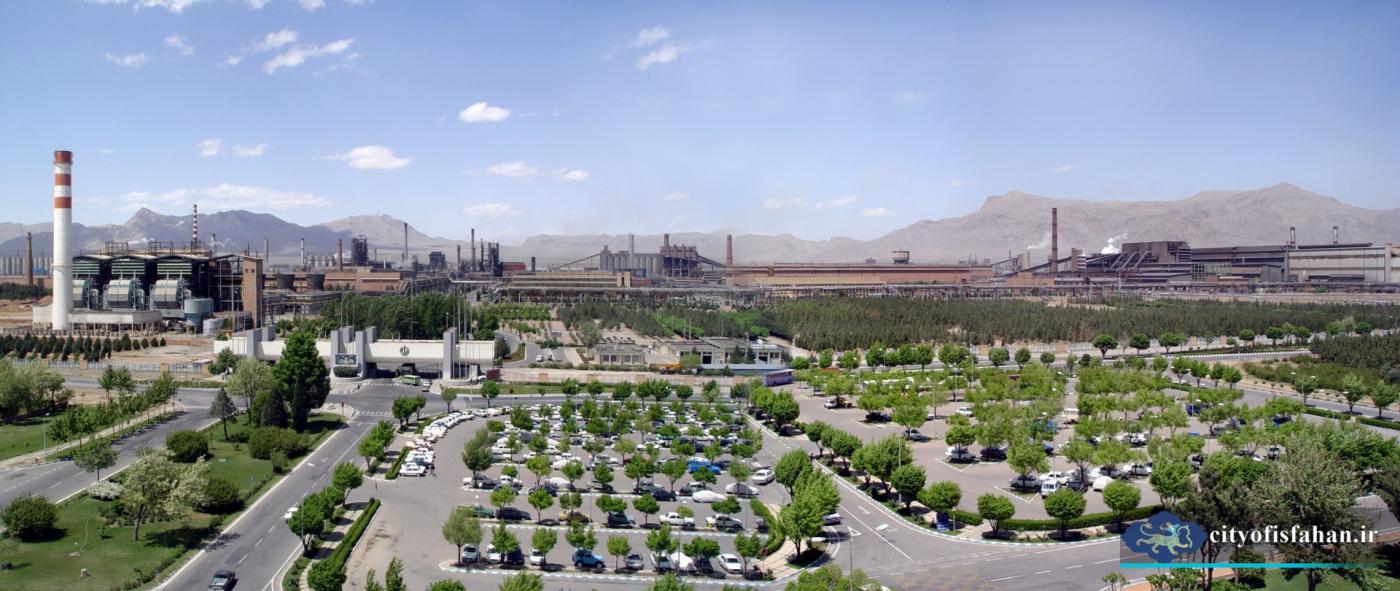

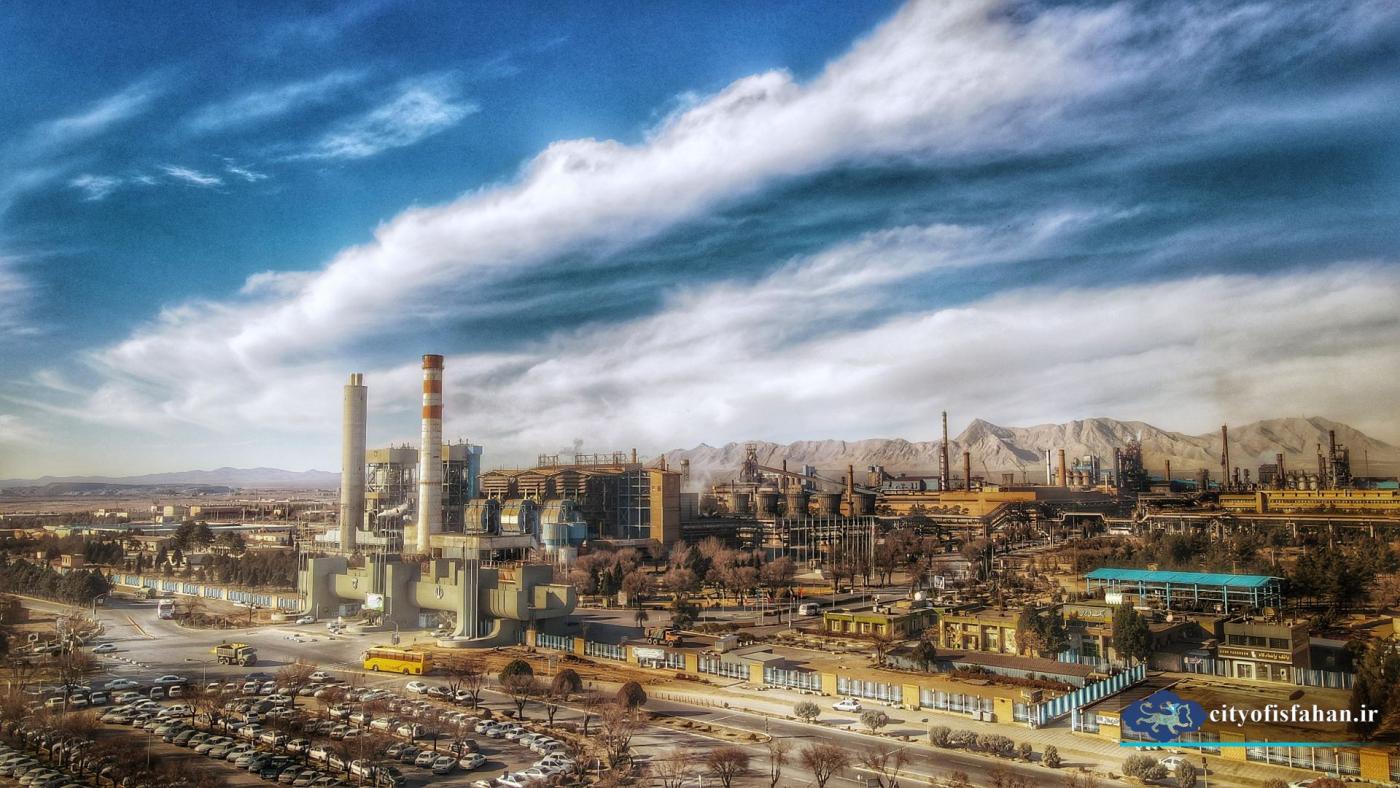
Esfahan Steel Company is the first steel-production complex in the country and a pioneer in the development of national railways, metropolitan subways, industrialized buildings and mining industry.
The establishment of Esfahan Steel Company was agreed upon through the framework of the cooperation protocol between the governments of Iran and the former Soviet Union, and this agreement was approved by the parliament on January 23, 1966.
The construction of various units started in 1968, and it was put into operation in 1972 with the cast iron production. The production of steel products began with steelmaking and rolling mills in January 1973.
With the implementation and completion of the Tawazun Project in 2013, Esfahan Steel Company reached the production capacity of 3,600,000 tons of molten iron.
Esfahan Steel Company is the first producer of beams and other structural steel sections in Iran, better known as Esco. This company is the founder of the country's steel industry by producing products such as light beams, angles, studs, simple and ribbed bars, squares, coils and special steels.
National Rail, National Pride
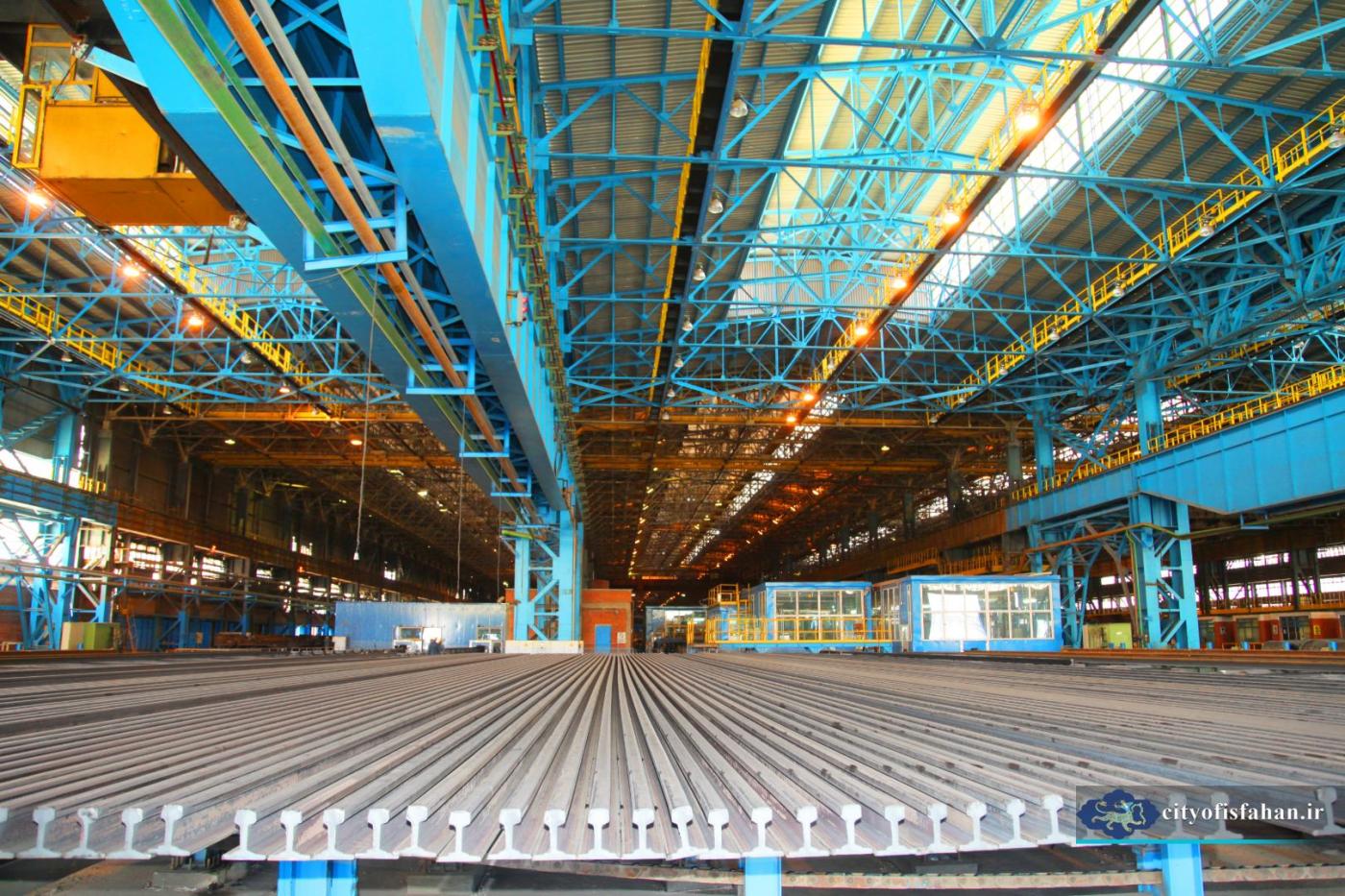
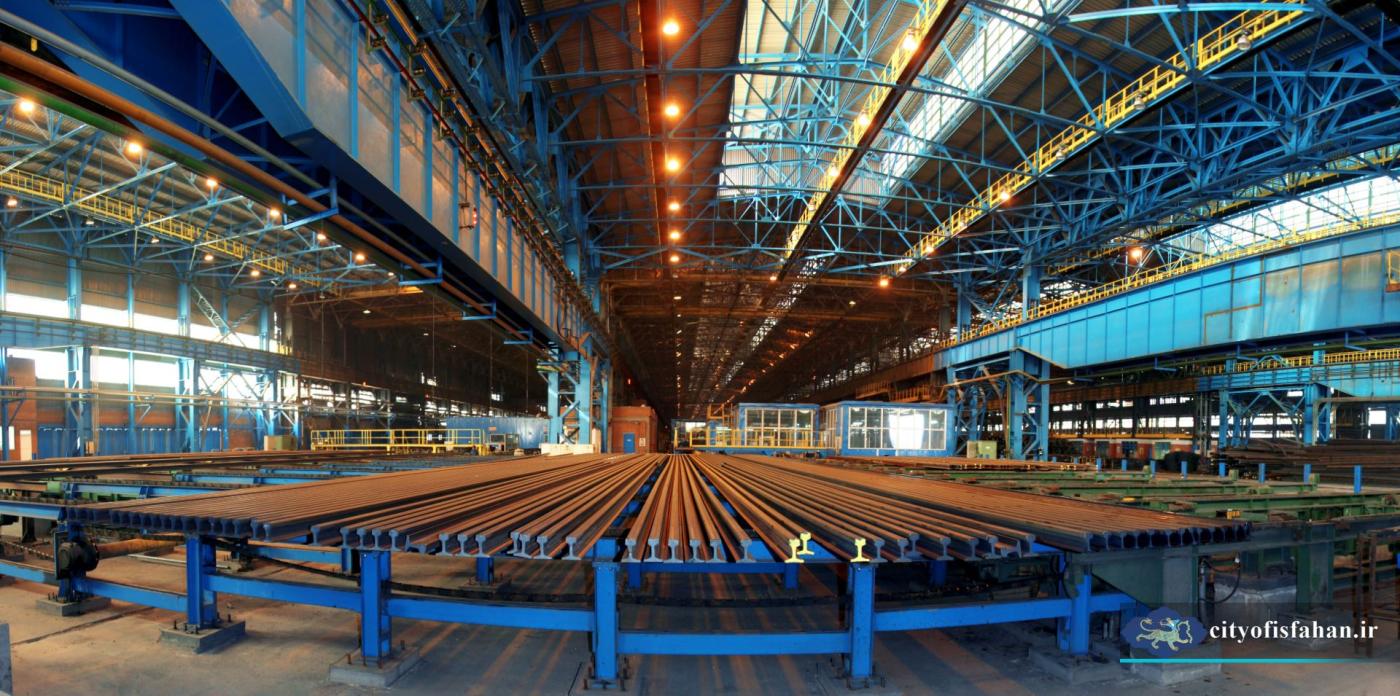
Esfahan Steel Company makes the country self-sufficient by producing rails, 60E1 for high-speed trains, 49E1 and 54E1 for subways, 46E2 for national railways, R18 for mines and 60E1A1 for train needle tab, and rails required for super projects such as North-South, East Corridor, West Corridor and metropolitan subways in Mashhad, Tehran, Isfahan, Tabriz and Kermanshah.
Fundamental Change in Building Industrialization
Esfahan Steel Company, through the fundamental reformation in industrializing the construction of buildings and to achieve the goals of the national housing movement, provides wide h-beams in sizes "22," "24," "26," "28," and "30" for the market.
Mining Steel Arches
Esfahan Steel Company helps activists in this field by innovating and producing mining steel arches; TH36 for mines with 600 meters depth, TH29 for mines with 400 meters depth, and V21 for mines with 150 meters depth.