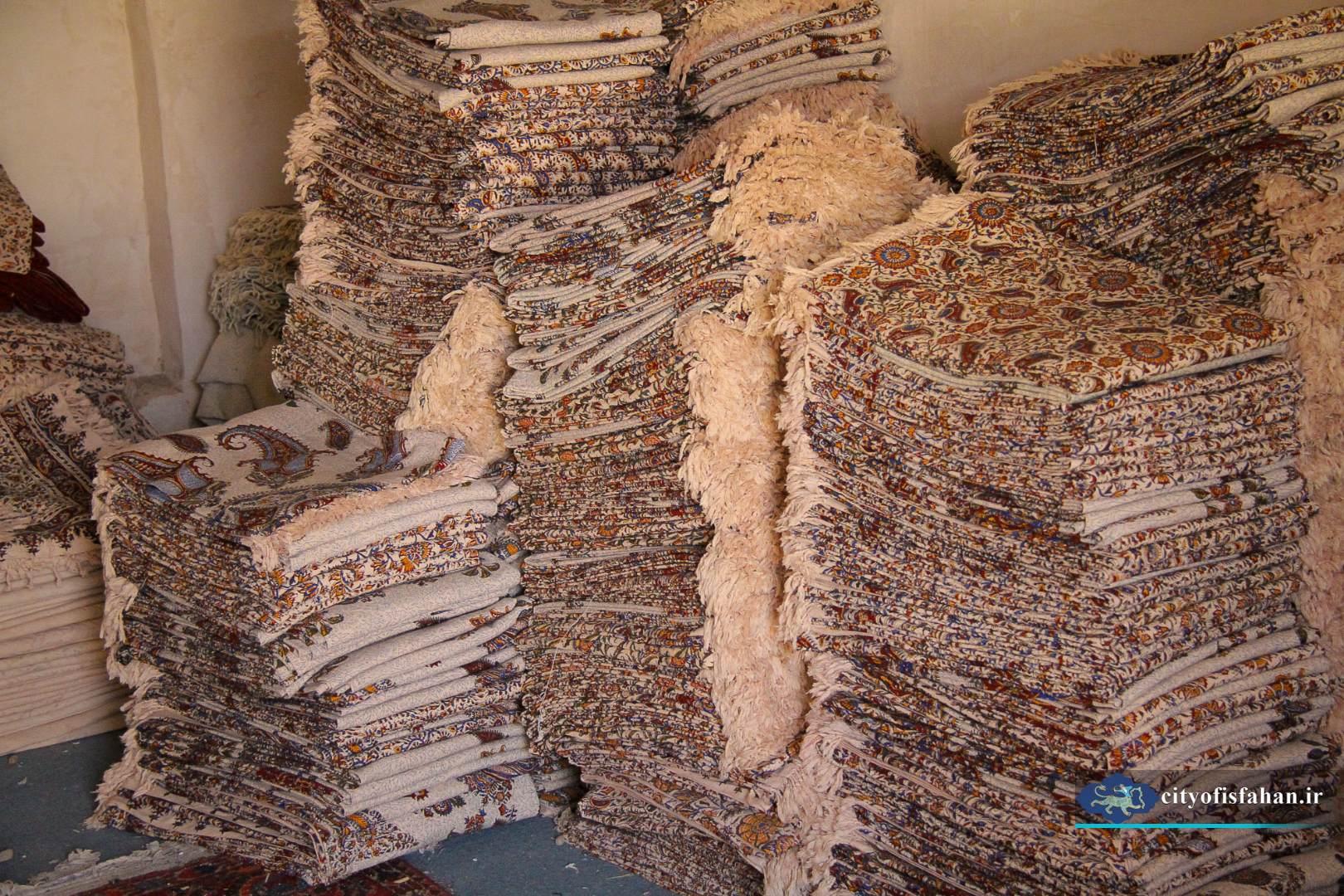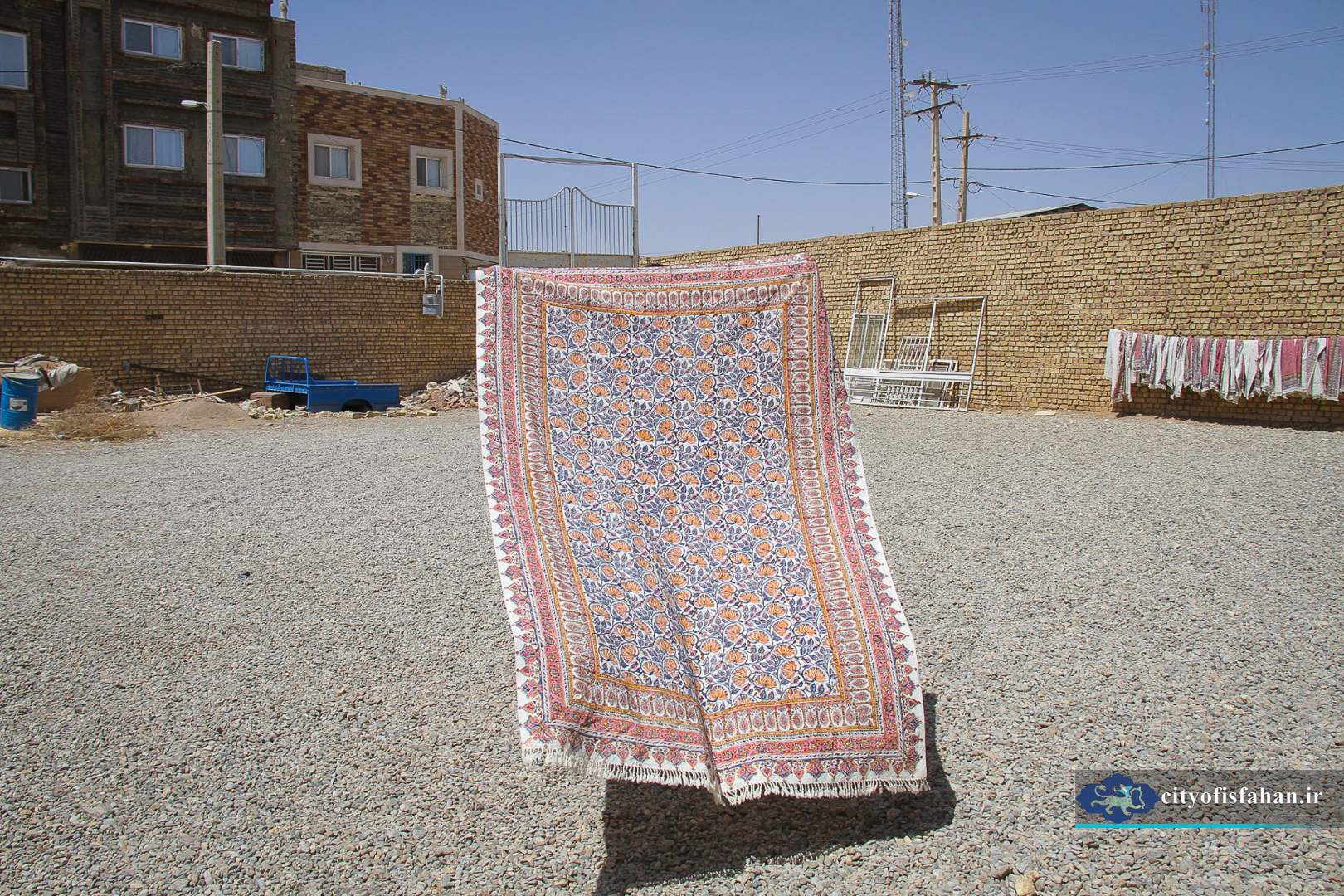

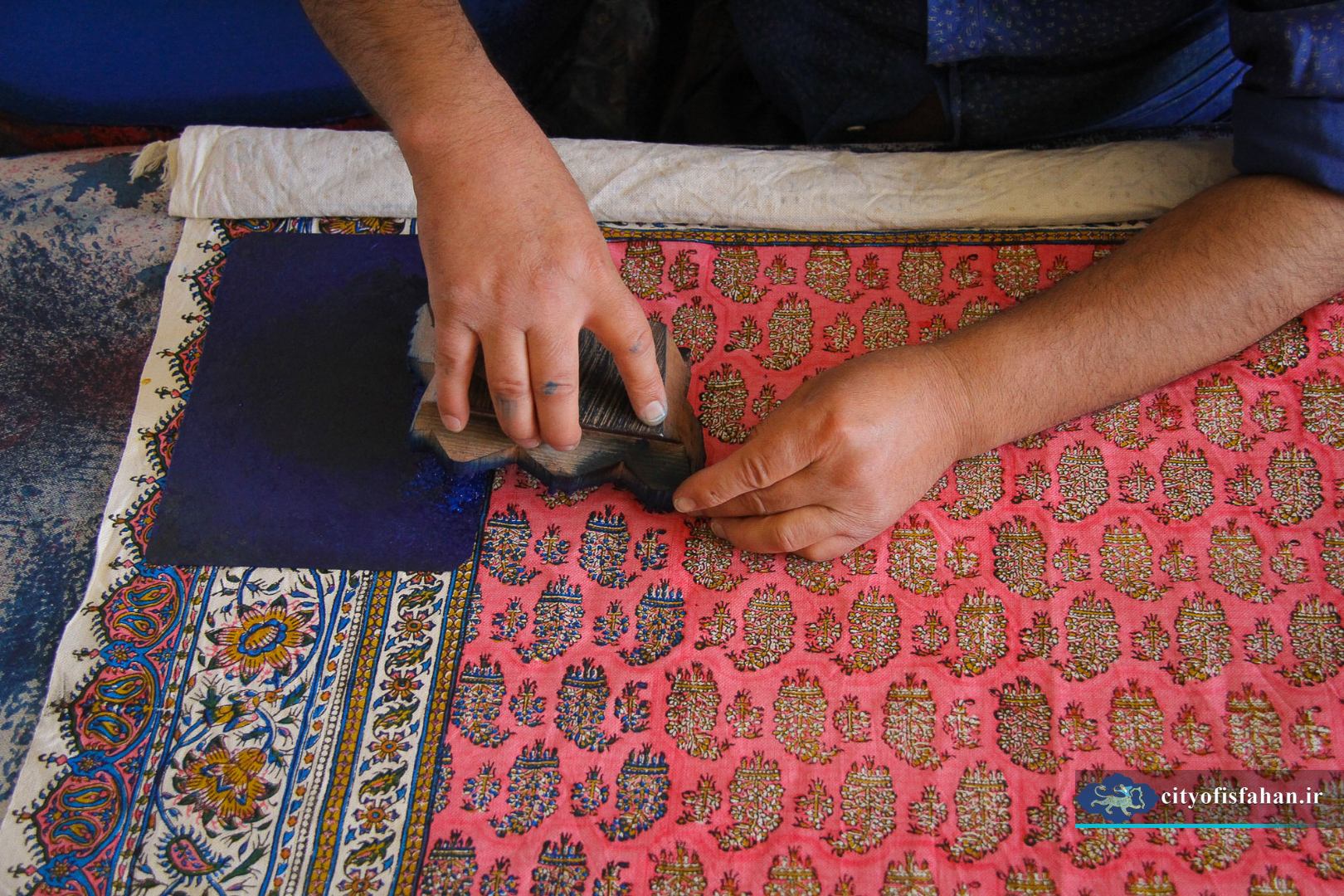
The production of Kalamkari cloth is traced far back in the history, when during Mongol rule, and with the import of Chinese fabrics to Iran, the country's artists began some competition with their Chinese counterparts and started painting with pens on fabrics. This caused these to be called Kalamkari fabrics (“qalam” meaning “pen” in Persian).
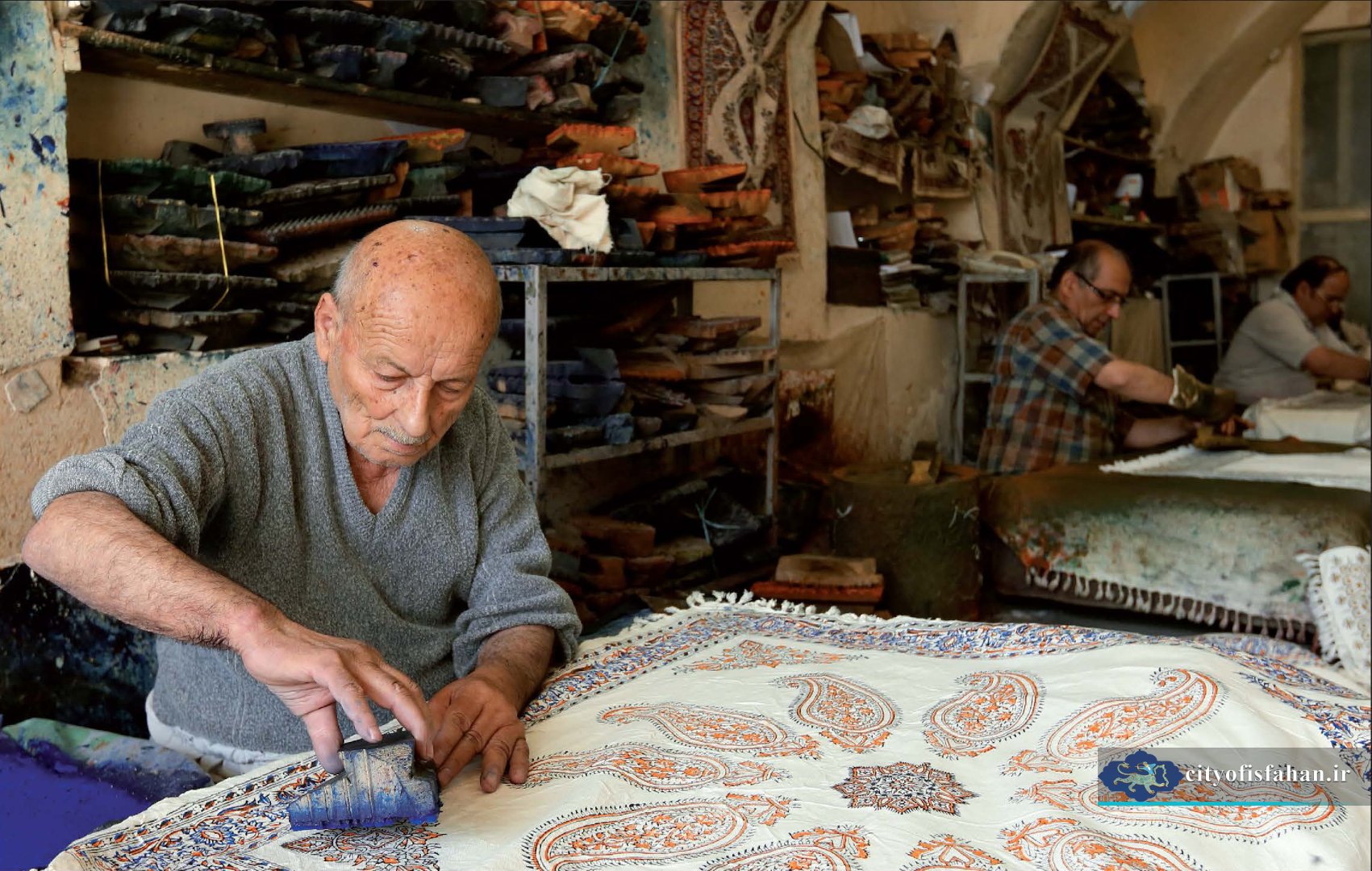
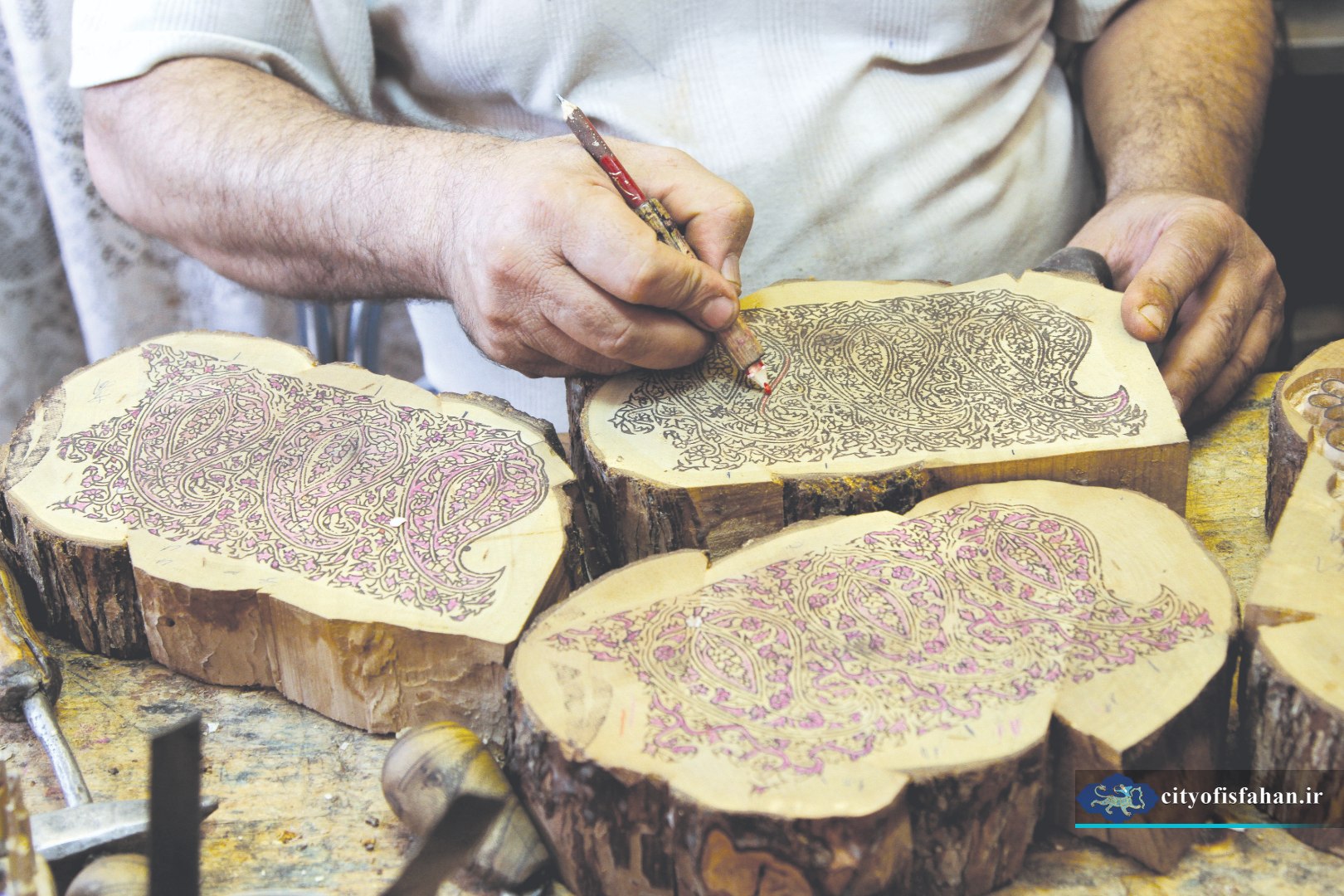
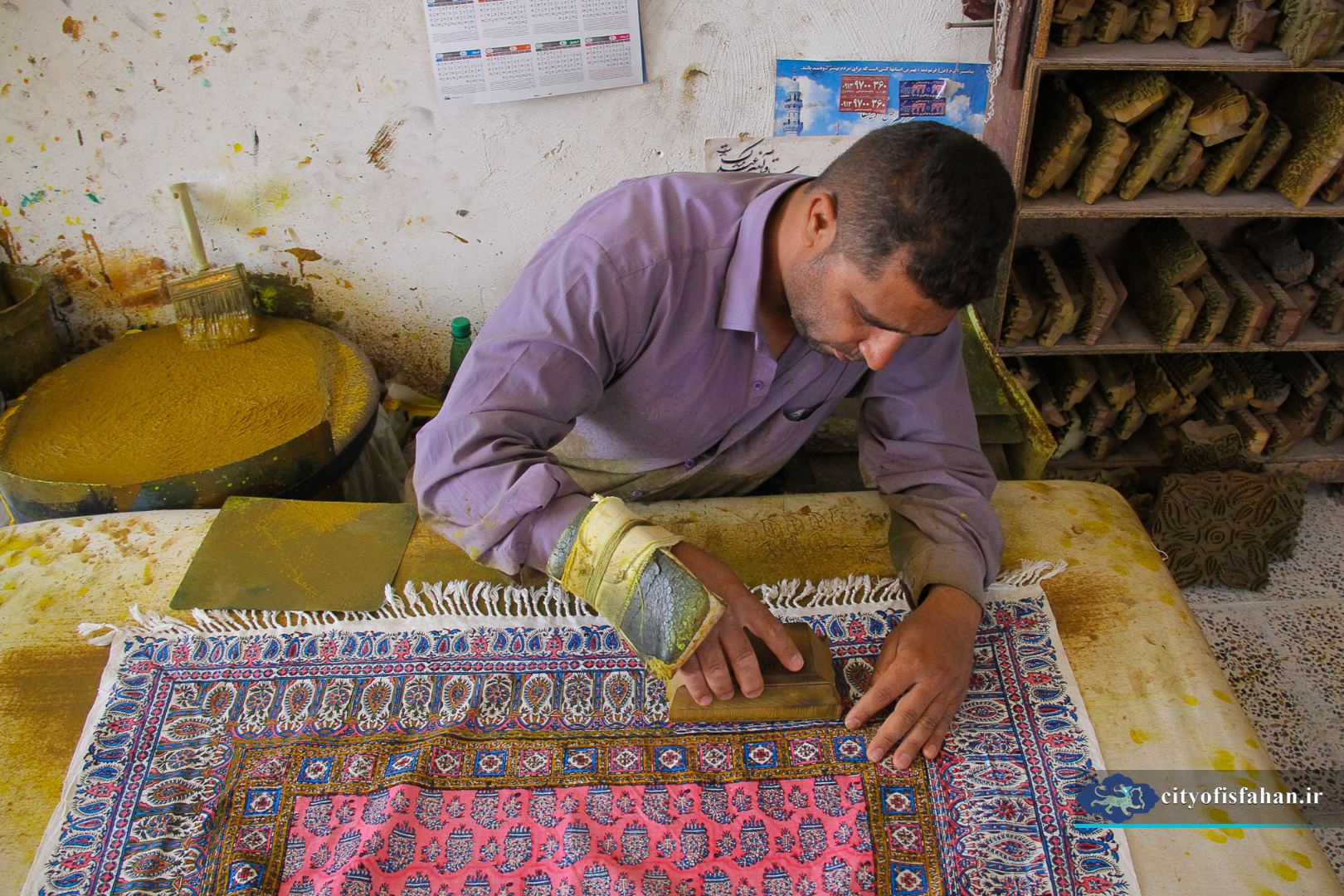
In the Safavid period, the art of Kalamkari reached its pinnacle. Thus, to respond to the increasing demand of society and to expedite its production, artists made stamps from wood and used them instead of pens. Today, the stamps, usually made of pear tree wood, are crafted in various designs such as flowers and birds, geometric patterns, Arabesque (Islimi) and Khatai, and Persian poetry inscriptions.
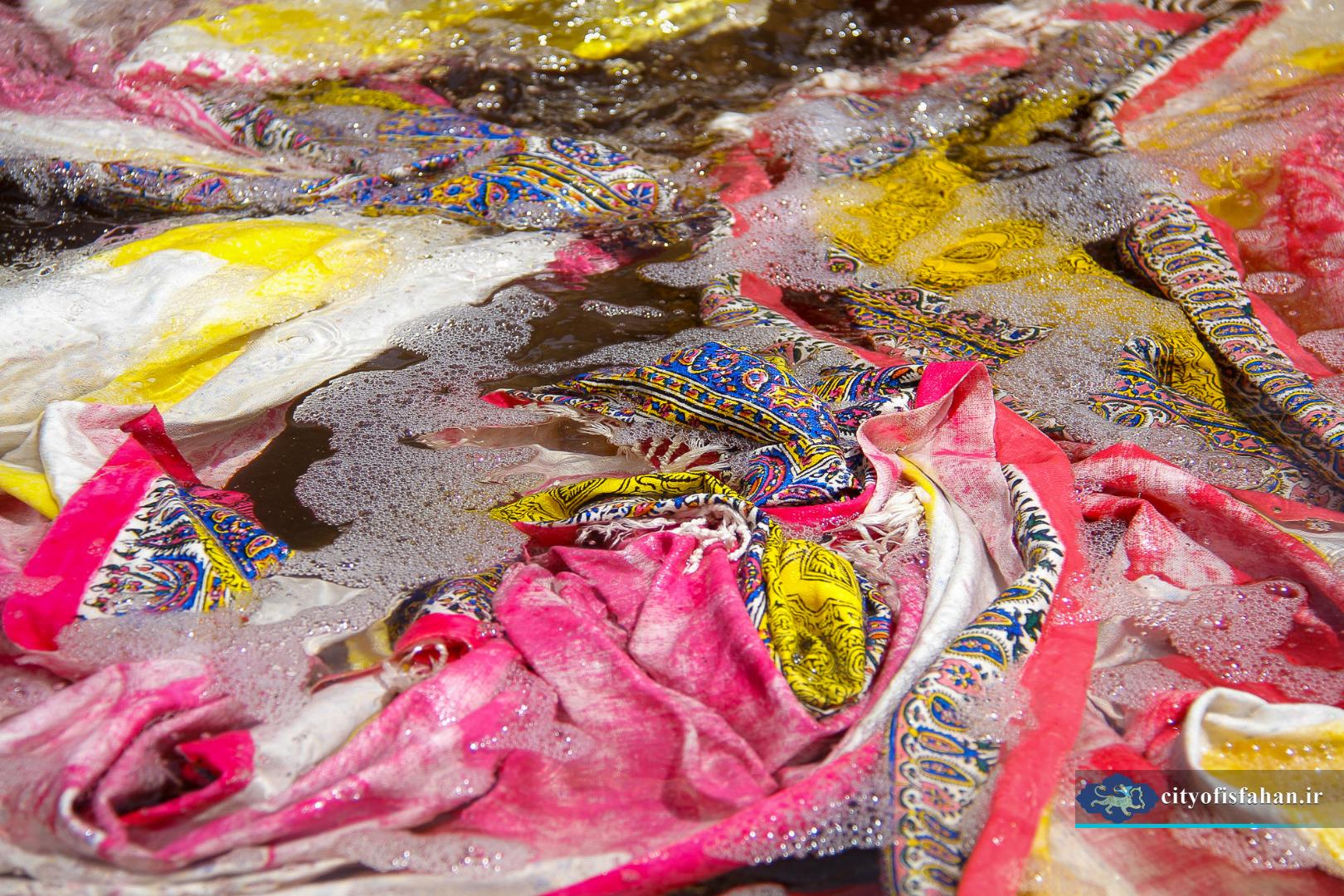
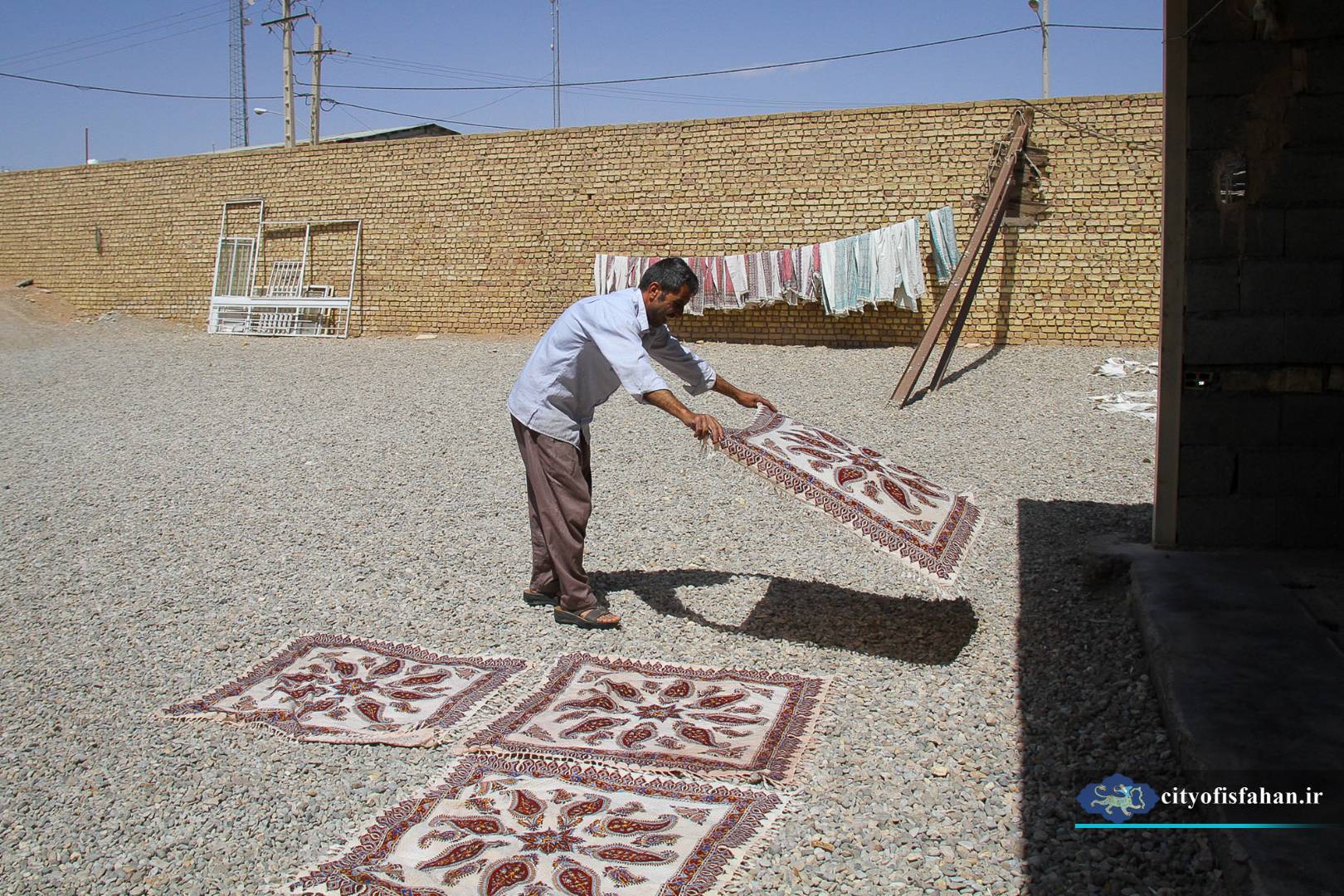
Kalamkari art, also known as block printing Qalamkar, involves pressing the stamp onto the fabric hundreds to tens of thousands of times, depending on the fabric size and pattern density. The use of natural colors enhances the durability and value of the work. However, factors such as design intricacy, quality of the stamp, and the skill and experience of the craftsman also influence the product's price. Isfahan is one of the most significant centers for Kalamkari fabrics worldwide.