
Naqsh-e Jahan Square, also known as Imam Square, is a magnificent testament to the grandeur of Persian architecture and urban planning. Located in the heart of Isfahan, Iran, this UNESCO World Heritage site is one of the largest public squares in the world and a masterpiece of the Safavid era. The square was constructed between 1598 and 1629 during the reign of Shah Abbas I, who envisioned it as the centerpiece of his new capital.
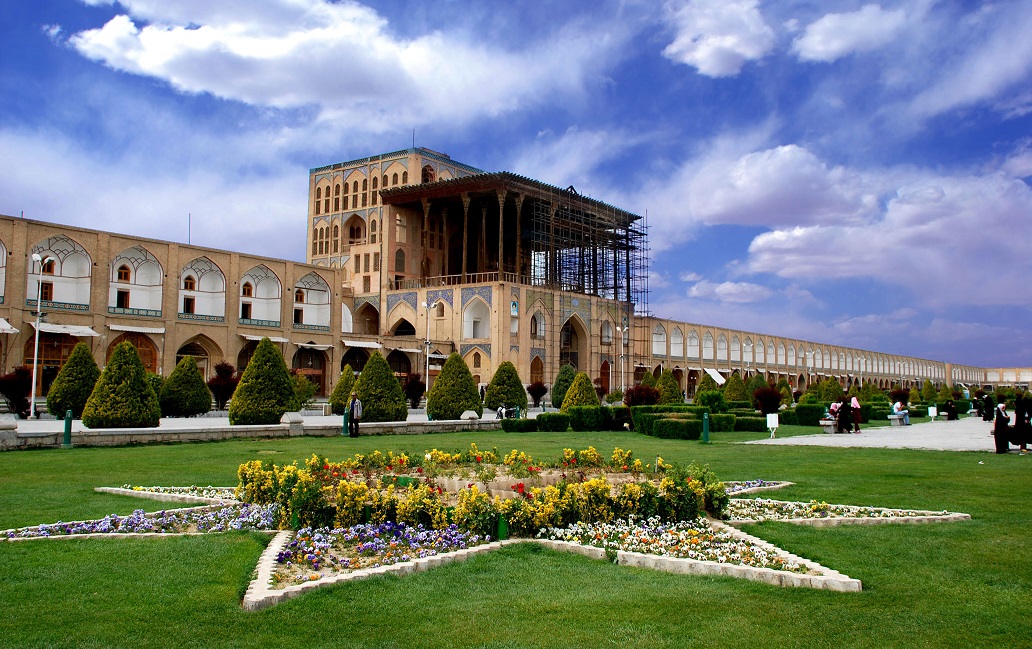
Spanning 560 meters in length and 160 meters in width, Naqsh-e Jahan Square is surrounded by some of the most significant architectural wonders of the Safavid period. The square's layout was meticulously designed to showcase the power and artistic achievements of Shah Abbas's reign, serving as a political, religious, and commercial hub.
At the southern end of the square stands the Shah Mosque, also known as the Imam Mosque. This architectural marvel is renowned for its stunning tile work, intricate calligraphy, and grand entrance portal. The mosque's dome and minarets are adorned with blue and turquoise tiles, creating a striking contrast against the surrounding landscape. The interior of the mosque is equally impressive, featuring elaborate mosaics and an acoustically perfect main prayer hall.
On the eastern side of the square lies the Sheikh Lotfollah Mosque, a private mosque built for the royal court. Unlike the Shah Mosque, Sheikh Lotfollah Mosque lacks minarets and a courtyard, reflecting its exclusive use. The mosque is famous for its exquisite interior, particularly the dome's intricate tile work, which changes color throughout the day due to the play of natural light. The mosque's serene ambiance and artistic brilliance make it a highlight of Naqsh-e Jahan Square.
The Ali Qapu Palace, located on the western side, served as the royal residence and government headquarters. This six-story building features a grand balcony that offers a panoramic view of the square. The palace is notable for its elaborate frescoes, stucco work, and the unique music room, designed with niches that create a remarkable acoustic effect. Ali Qapu Palace was the site of official receptions and banquets, showcasing the opulence and sophistication of the Safavid court.
The northern end of the square is dominated by the Qeysarieh Gate, which leads to the bustling Grand Bazaar of Isfahan. This historical market is a labyrinth of alleys and courtyards, filled with shops selling traditional Persian handicrafts, spices, textiles, and jewelry. The bazaar has been a center of commerce for centuries, reflecting the economic vitality of Isfahan.
Naqsh-e Jahan Square is not only a historical and architectural treasure but also a vibrant public space. The square's expansive lawn and reflective pool provide a serene setting for locals and tourists to relax and enjoy the surroundings. The square is also a venue for cultural events, festivals, and traditional sports such as polo, which was once played here by the Safavid nobility.
In conclusion, Naqsh-e Jahan Square is a living monument to the artistic and cultural achievements of the Safavid dynasty. Its harmonious blend of architecture, urban planning, and social function has made it a symbol of Isfahan's historical significance and enduring beauty. As a center of Persian heritage and a gathering place for the community, Naqsh-e Jahan Square continues to inspire awe and admiration from all who visit.