
Unlike most inter-city partnerships, whose origins, trade agreements, or tourism exchanges are grounded in commercial affairs, common industrial products, cultural awareness, or tourism promotion, the bond between Isfahan and Kraków is sealed by one of the 2nd World War's major humanitarian stories.
Iran (IMNA) - International urban partnerships are seldom born under profoundly emotional circumstances and are typically based more on business and tourism exchange or common commercial interests, rather than as a tool to foster good ties and remembrance of a unique historical turning point. The story of Isfahan and Poland has its origins not just in an international friendship, a political tie, or a lucrative trade relationship, but in one of the more remarkable stories of human resilience and heroism in World War II.
In 1939, after the Soviet and German Nazis occupied Poland jointly, 1.5 million Polish civilians from Eastern Poland were exiled to remote work camps in Siberia, Kazakhstan, and beyond in the then USSR. Conditions there were harsh: starvation, disease, family separations, and loss of parents. Some deportees' lives were saved when the Sikorski–Maisky Agreement was made, paving the way to establish a new Polish Army in the Soviet Union under General Wladysaw Anders.
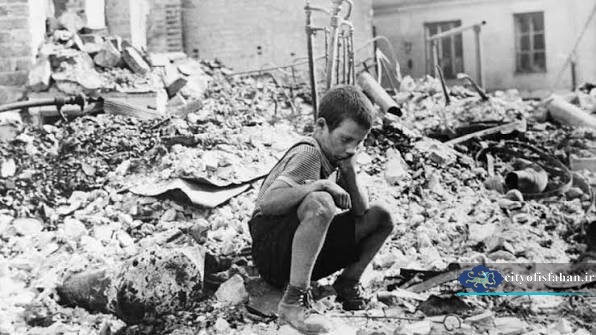
Because of deteriorating Polish-Soviet relations, tens of thousands of civilians escaped the Soviet Union through Central Asia and crossed into Iran in 1942. For many deportees, Iran wasn’t another stop on the road outward; it was, quite literally, salvation.
Isfahan, City of Polish Children
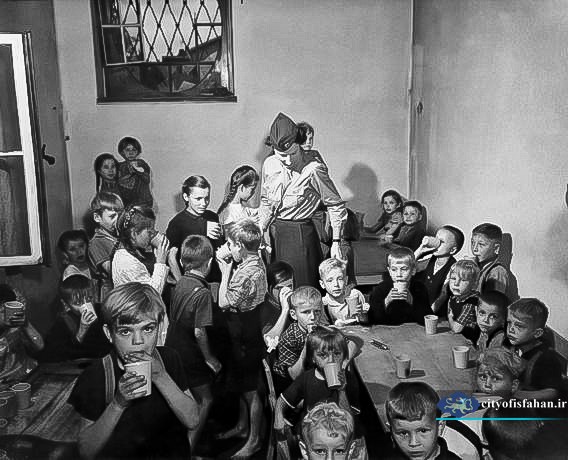
Among the many refugees welcomed to Iran were roughly 3,000 Polish orphans, many of them after a long series of hunger, enslavement, illness, and displacement. The Iranian rulers at the time agreed to bring these Polish children to Isfahan to provide them with better care and living conditions.
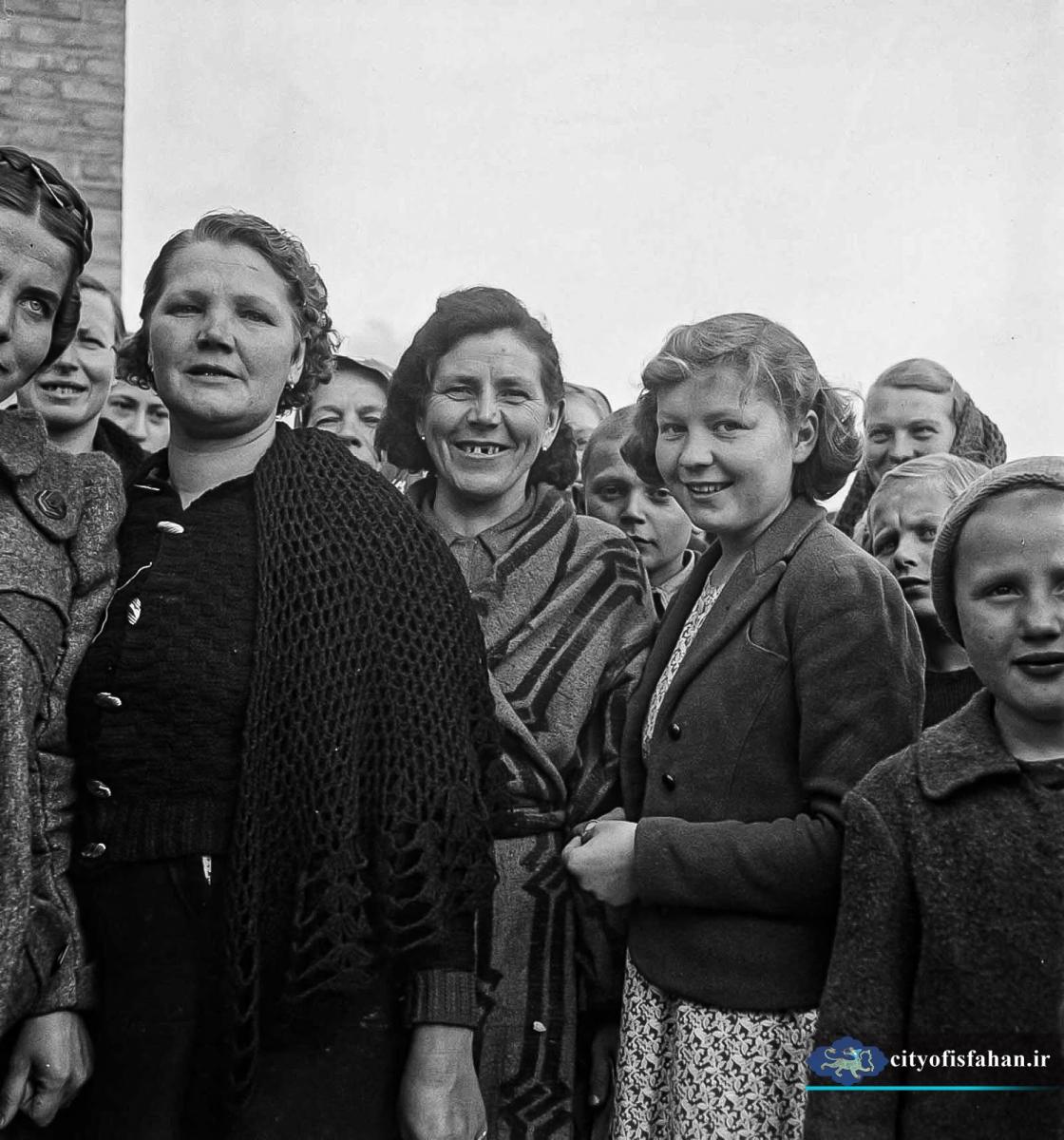
What the children found in Isfahan made it another Eden for their survival. After escaping Siberian winters and traveling across the taiga forest, Kazakh steppes, and Central Asian deserts, they entered a city renowned for its gardens, leafy avenues, running rivers, marvelous architecture, and cordial people.
This place was beyond the children's imagination; it felt like a dream. The children in Isfahan eventually gave the city a nickname forever etched in Polish history: "The City of the Polish Children."
Primary and secondary schools were built for Polish students. Churches were established for the Catholic students. Cultural centers, orphanages, hospitals, libraries, and recreational clubs were established to enable children to continue their education and maintain their native culture, identity, and language.
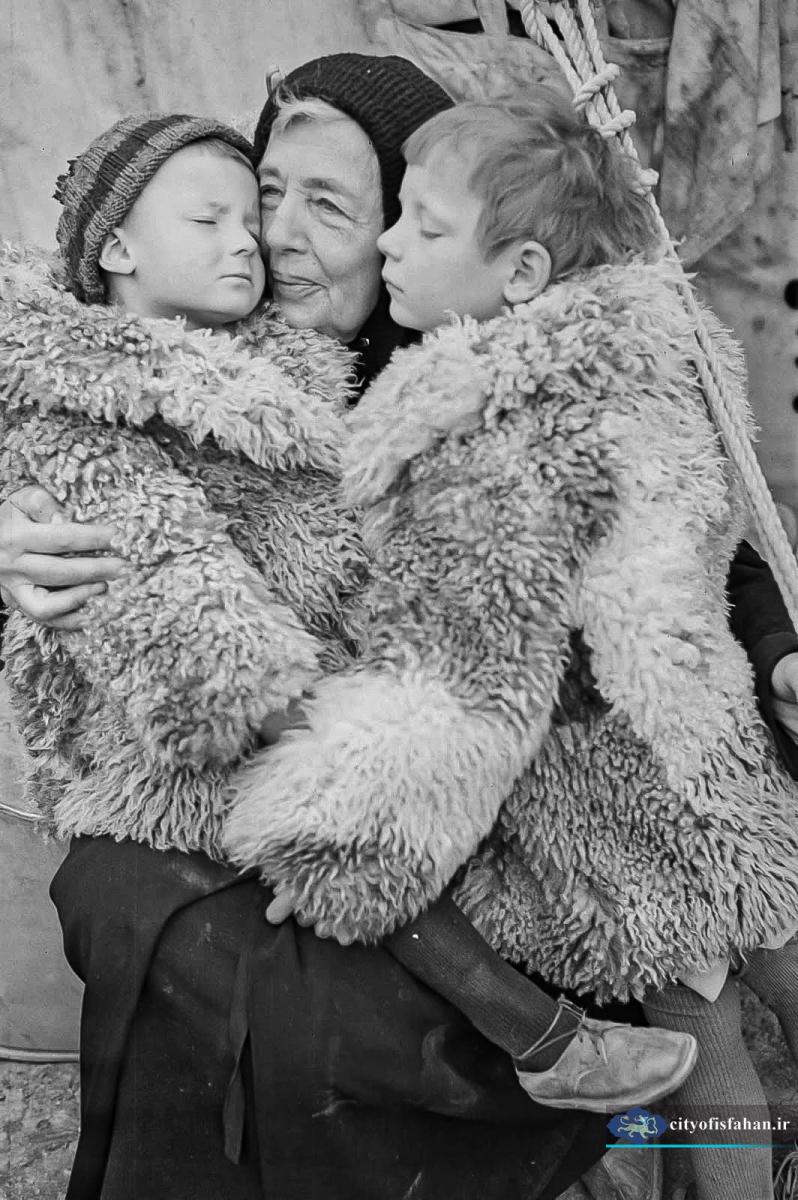
Such immense generosity left the refugees speechless. Diaries by kids who had survived the war are filled with stories of Iranians sharing their food, letting people into their homes or stores, and showing compassion towards the strangers. Isfahan not only turned into a place where refugees found shelter but for some, it became the second home. After years, many of the refugees traveled back for several generations. Many brought their descendants into the city to see "heaven on earth," as they called it.
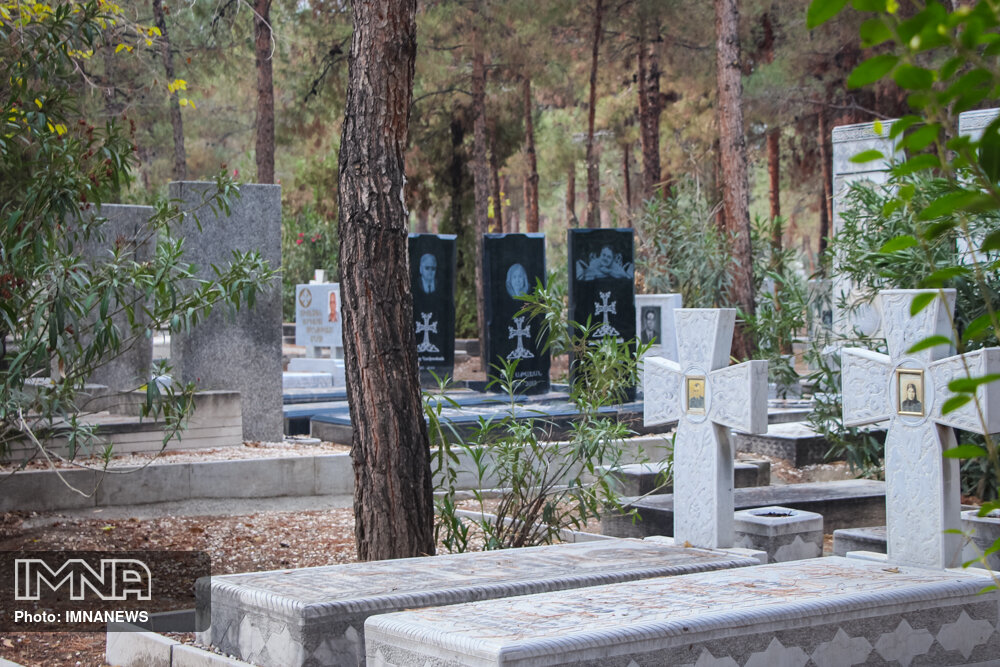
Perhaps one of the more tangible reminders of the shared past is the Polish cemetery in Isfahan, the site where many of the Polish refugees who died in Iran are buried. This site has become an important gathering place where both Polish visitors and diplomats, along with descendants of refugees, often travel to pay respects to their deceased families.
From Humanitarian Memory to Municipal Diplomacy
The historical bond between Polish refugees and the people of Isfahan would over time lead to an institutional partnership. The sense of a common past was not the main reason for such a strong connection between Isfahan and Kraków, but a valuable background.
The relationship between Isfahan and Kraków, far transcending the boundaries of formal municipal affiliation, indeed embodies a strategic and cultural corridor that unites these two historic cities. From ancient times onward, they were pinnacles of civilization, knowledge, and arts, retaining the legacy of their ancient past while embracing the opportunities of modern urban development. The partnership between them symbolizes their common effort to preserve the past, fosters intercultural understanding, and enhances people-to-people contacts.
Globally lauded for its rich history of urban architecture and heritage, Kraków was the capital of Poland for several centuries. So was Isfahan, the epicenter of great empires for several centuries in its long and prestigious past. Indeed, Isfahan and Kraków flourished for long epochs in their nations' histories as the cores of their polities, economies, and civilizations. Each boasts magnificent examples of art, architecture, and urbanism, from their grand plazas and public monuments to public museums and cultural centers, and the very urban fabric comprising both public squares and the historic buildings.
The rivers of both cities are also a striking match. The Vistula River has greatly influenced Krakow’s culture and urban environment over the years; on the other hand, Zayandehrud has been a major highlight of Isfahan throughout its history by defining its landscape and famous bridges, gardens, and public spaces.
The lovely friendship between Isfahan and Kraków has proven to be a prime illustration of how cities can convert memories of suffering into enduring friendship and sensible urban diplomacy. What began with a remarkable humanitarian episode in the history of Polish migrants in Isfahan transformed into a deeper connection rooted in shared heritage, culture, architecture, rivers, and the preservation of history while looking to the future. The connection serves as a reminder that the strongest links between cities arise not only from official arrangements or various forms of conduct at the level of municipal authorities, but also from the human perspective, grounded in memories, stories, and acts of kindness passed down through generations.
Elahe Seyfodin