
The echo of this historic agreement resonates through time: according to the website of the Isfahan University Network for International Cooperation, the sister-city agreement was signed on May 7, 1989.
In China, the art of lacquerware involves crafting wooden, bamboo, or textile objects coated with multiple layers of resin derived from the lacquer tree (Toxicodendron vernicifluum).
This art form has a history of more than 3,000 years in China.
Lacquerwork in China symbolizes elegance, precision, and durability. The resin, once applied in numerous layers, becomes hard, glossy, and resilient. For this reason, objects created through this technique were not only functional but also carried symbolic meaning; presenting such an item signified lasting friendship, shared values, and mutual respect.
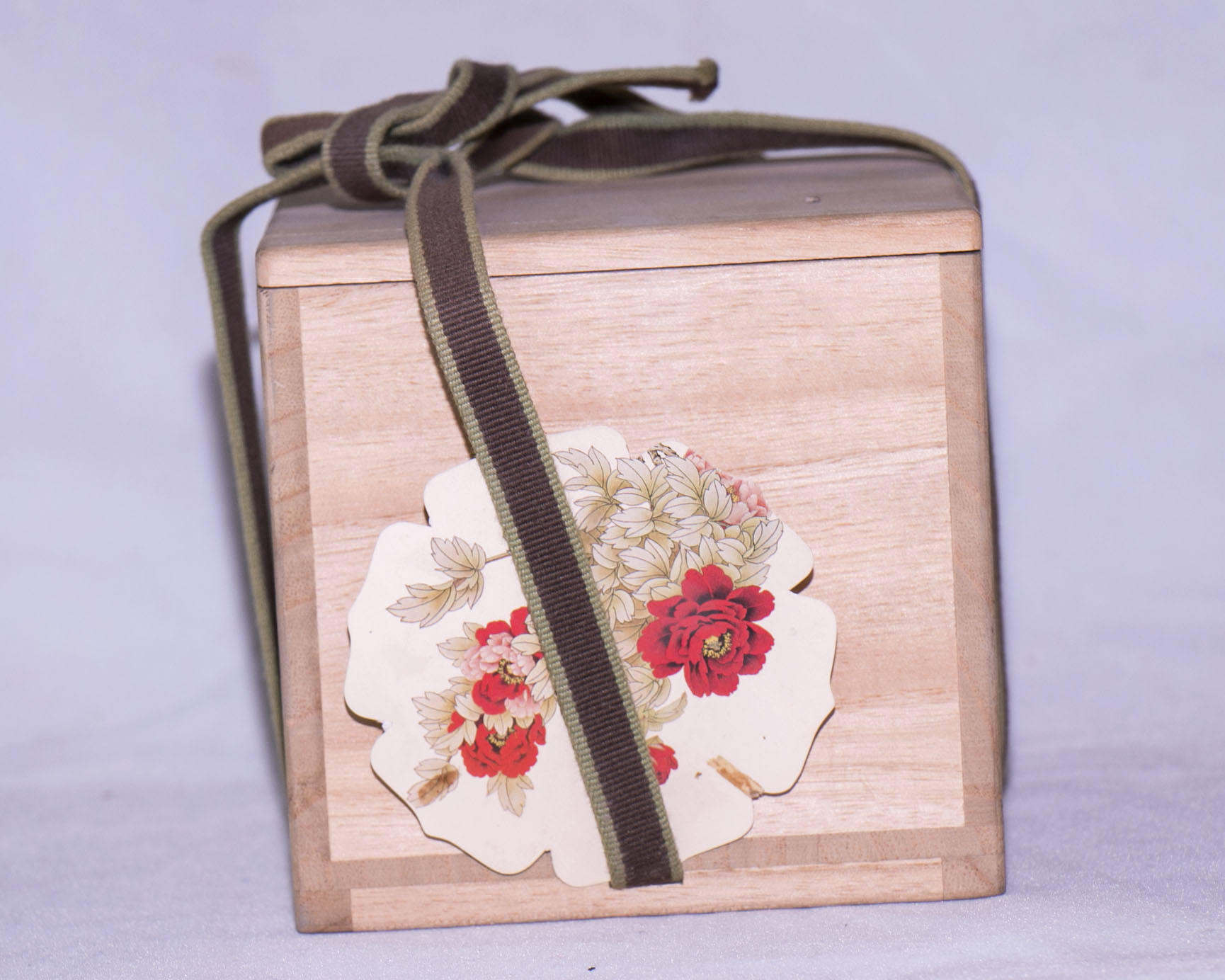
In diplomatic or municipal exchanges, choosing a wooden box adorned with refined Chinese craftsmanship can represent a bond intended to endure — a cultural bridge between an Iranian and a Chinese city, where art serves as a universal language of peace and friendship.
جعبه چوبی
طنین تاریخ قرارداد: بر اساس وبسایت شبکه همکاری دانشگاهی اصفهان، این قرارداد در ۷ مه ۱۹۸۹ (May 7, 1989) به امضا رسیده است.
هنر لاککاری در چین، تولید وسایل چوبی، بامبو یا پارچه پوشیده شده با لایههای متعدد از رزین درخت لاک (Toxicodendron vernicifluum) است.
این هنر در چین برای بیش از ۳۰۰۰ سال سابقه دارد.
در چین، هنر لاککاری نمادی از ظرافت، دقت و دوام است — رزینی که از درخت لاک میآید، پس از لایهگذاری بسیار، سخت، براق و مقاوم میشود. از همین رو، اشیایی که با این هنر ساخته میشدند، نه تنها کاربردی بودند بلکه بارِ نمادین هم داشتند؛ هدیه دادن چنین شیئی یعنی (دوستیِ پایدار، ارزشِ مشترک، احترام متقابل).
در فرایند دیپلماتیک یا شهری، انتخاب یک جعبه چوبی با تزئین دقیق چینی میتواند نشانهای باشد از پیوندی که قصد دارد دوام یابد: شهر ایرانی و شهر چینی، تبادل فرهنگی، هنر بهعنوان زبان صلح و دوستی.
طنین تاریخ قرارداد: بر اساس وبسایت شبکه همکاری دانشگاهی اصفهان، این قرارداد در ۷ مه ۱۹۸۹ (May 7, 1989) به امضا رسیده است.