
The city of Isfahan in Iran has had a sister-city relationship with the city of Xi’an in China since 1989. According to available sources, the sister-city agreement between Isfahan and Xi’an was signed on May 7, 1989.
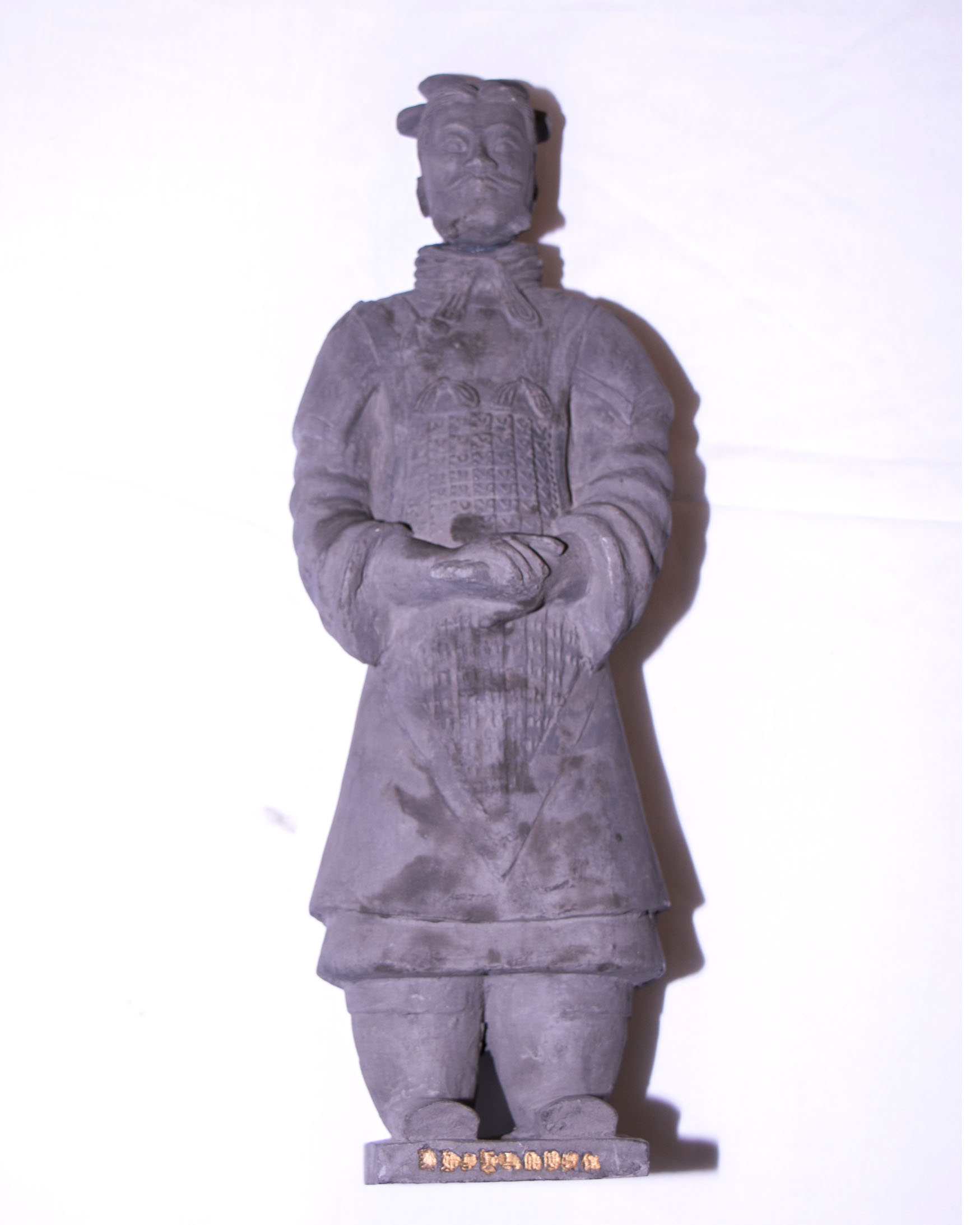
The vast Terracotta Army complex in Xi’an is a collection of sculptures of soldiers, chariots, and horses created for the tomb of the Chinese emperor Qin Shi Huang; its origins date back to around the 3rd century BCE.
This ceramic art, shaped as warriors, officials, chariots, and horses, was part of the emperor’s funerary rituals and symbolized his power in the afterlife.
After the discovery of this complex in 1974, smaller similar works began to be produced as cultural souvenirs, symbols of international cooperation, and urban commemorations.
Symbolism: These sculptures are recognized as symbols of ancient Chinese culture, engineering capability, sophisticated ceramic artistry, and their connection to the Silk Road.
تراکوتا
شهر اصفهان در ایران با شهر شیآن (Xi’an) در چین از سال ۱۹۸۹ رابطه خواهرخواندگی دارد: مطابق منابع، توافق خواهرخواندگی بین اصفهان و شیآن در ۷ ماه می ۱۹۸۹ امضا شده است.
مجموعه بزرگ ارتش سفالی در شیآن (Terracotta Army) مجموعهای از مجسمههای سرباز، ارابه و اسب است که برای مقبره امپراتور چینی چین شیهوانگ ساخته شدهاند؛ قدمت آن به حدود قرن سوم قبل از میلاد بازمیگردد.
این هنر سفالی به شکل رزمندگان، مقامات، ارابهها و اسبها، بخشی از آیینهای تدفینی امپراتور و نمادی از قدرت او در دنیای پس از مرگ بوده است.
بعد از کشف این مجموعه در سال ۱۹۷۴، آثار مشابهِ کوچکتر بهعنوان سوغات فرهنگی، نماد همکاری بینالمللی و یادبود شهری نیز تولید شدهاند.
نمادگرایی: این مجسمهها به عنوان نمادی از فرهنگ کهن چین، توان مهندسی، هنر سفال و تزئینات یدیده و ارتباط آن با جاده ابریشم مطرحاند.