
The cities of Isfahan (Iran) and Florence (Italy) signed their sister-city agreement on 18 September 1998.
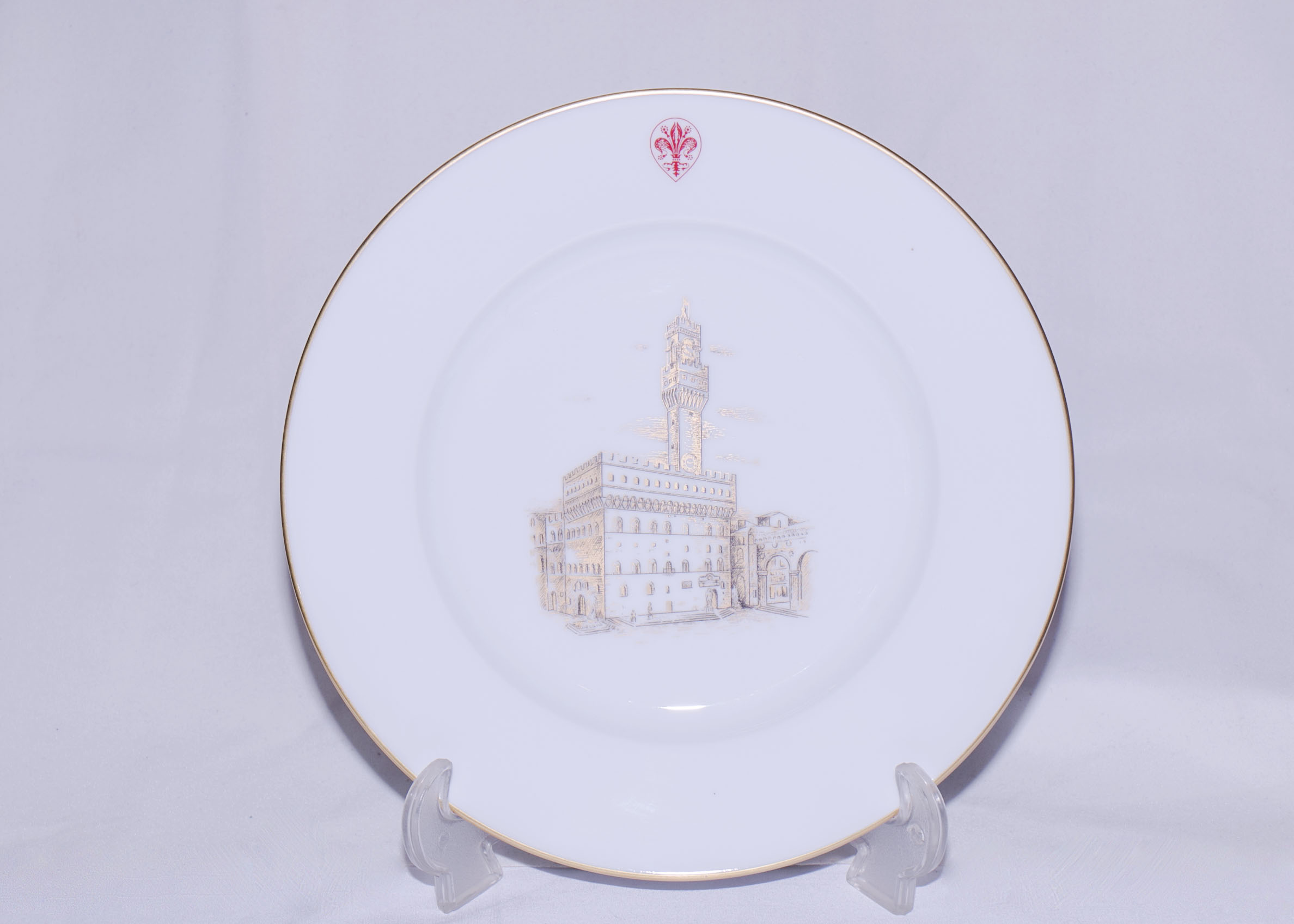
In Florence, the workshop of Florentine porcelain—known as Medici porcelain—was established around 1575 by Francesco I de’ Medici.
Its purpose was to create a European form of porcelain similar to the celebrated wares of China and other parts of Asia.
This workshop operated approximately between 1575 and 1587.
Medici porcelain was produced as soft-paste porcelain, rather than the hard-paste porcelain of East Asia. Although highly refined, it differed in material composition and appearance from true Asian porcelain.
One of the important uses of Medici porcelain was as diplomatic gifts; the Medici workshop often employed these objects as symbols of technological achievement and cultural prestige. In this way, the production of porcelain and ceramics in Italy served not only practical purposes but also carried representational and symbolic value in international relations.
یادبود چینی
شهر اصفهان (ایران) و فلورانس (ایتالیا) در تاریخ ۱۸ سپتامبر ۱۹۹۸ قرارداد خواهرخواندگی خود را امضا کردهاند.
در شهر فلورانس، خاندان فرانچسکو اول دِ مدیچی (Francesco I de’ Medici) در حدود سال ۱۵۷۵ کارگاه «چینی فلورانسی» معروف به Medici porcelain را تأسیس کردند.
هدف آنها تولید نوعی چینی اروپایی – مشابه چینیهای چینی و آسیایی – بود.
این کارگاه در سالهای حدود ۱۵۷۵ تا حدود ۱۵۸۷ فعال بوده است.
چینی «مدیچی» از نوع نرم (soft-paste) بود، نه همان سختپرس (hard-paste) چینی آسیایی؛ بنابراین کیفیت آن هرچند بسیار ممتاز بود اما با چینی اصلی آسیایی متفاوت بود.
یکی از کاربردهای مهم این چینیها، استفاده بهعنوان هدیههای دیپلماتیک بوده است؛ مثلاً کارگاه مدیچی از این اشیاء بهعنوان نماد قدرت و فناوری استفاده کرده است.
بدینصورت، تولید چینی و سرامیک در ایتالیا نه صرفاً جنبه کاربردی داشته، بلکه جنبه نمایشی و نمادین در روابط بینالمللی نیز پیدا کرده بود.