
Cultural and diplomatic relations between Iran and Poland have a long and well-established history; for example, official cultural cooperation between the two nations has been documented since 1968.
A 2016 report by Tasnim News Agency indicated that Poland had expressed interest in establishing a sister-city agreement between Kraków (Poland) and Isfahan.
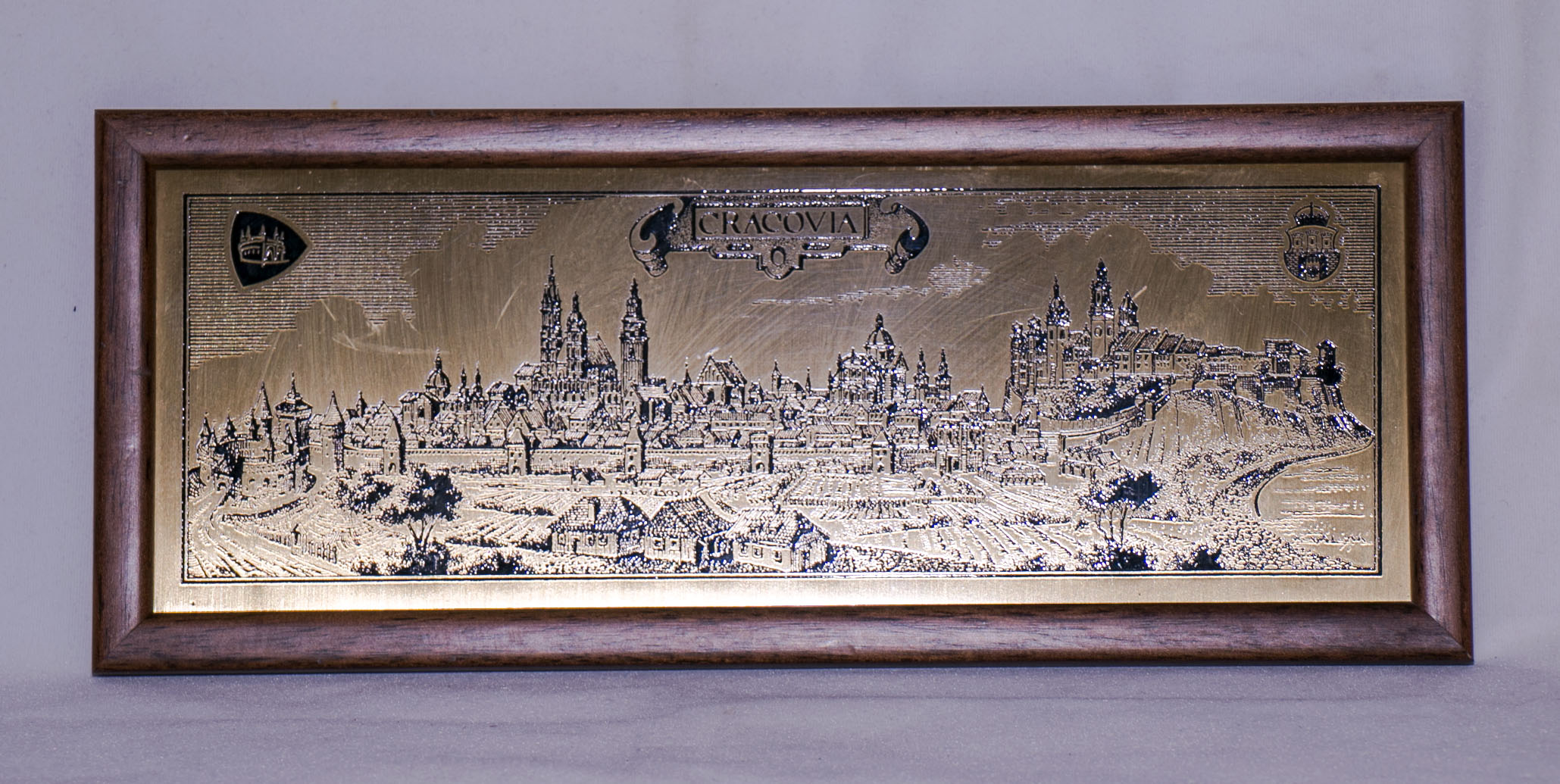
Based on the available information, it is plausible that the presentation of this gift took place within the context of sister-city consultations or cultural cooperation between Isfahan and Poland. It is further likely that this exchange occurred during the 2010s—possibly after 2015—when several reports highlighted growing cultural interactions between the two cities.
Decorative metal artworks—such as plates, plaques, panels, and ceremonial objects—have long been common in European diplomatic, civic, and commemorative traditions. Similar metal plaques and panels are historically documented in Poland as well.
Moreover, Polish scholarship has explored Islamic art and its influence on Polish metalworking traditions, illustrating that metalwork in Poland is not only rooted in local heritage but has also evolved through artistic exchange with the cultures of the East and the Islamic world.
When an ambassador presents a metal artwork depicting an urban landscape—such as a panel or engraved plaque—to the mayor of another city, the gesture serves both as an expression of respect for that city and as a symbolic affirmation of cultural and diplomatic ties.
تابلوی برنجی لهستان
روابط فرهنگی و دیپلماتیک میان ایران و لهستان دارای سابقه طولانی هستند؛ برای نمونه، همکاری فرهنگی رسمی میان دو کشور از سال ۱۹۶۸ ثبت شده است.
گزارش سال ۲۰۱۶ خبرگزاری تسنیم حاکی بود که لهستان خواستار امضای قرارداد خواهرخواندگی بین شهرهای کراکوف (Poland) و اصفهان شده بود.
با توجه به آنچه موجود است، میتوان این احتمال را مطرح کرد که اهدا این هدیه میتواند در چارچوب رایزنیهای خواهرخواندگی یا همکاری فرهنگی میان اصفهان و لهستان انجام شده باشد و احتمال دارد در حدود سالهای دهۀ ۲۰۱۰ میلادی باشد (مثلاً پس از ۲۰۱۵) که فعالیتهای همکاری اصفهان-لهستان گزارش شدهاند.
اشیای فلزی تزئینی (بشقابها، لوحها، تابلوها، تقدیمی) در مناسبات دیپلماتیک، اهدایی و شهری اروپایی رایج بودهاند؛ مثلاً لوحها یا تابلوهای فلزی به مناسبتهای شهری در لهستان دیده میشوند.
در لهستان، همچنین مطالعات بر هنر اسلامی و تأثیر آن بر فلزکاری و هنر فلز دیده شده است؛ این نشانگر آن است که هنر فلزکاری در لهستان نه صرفاً یک هنر بومی، بلکه در تعامل با هنر شرق و اسلامی نیز بوده است.
وقتی سفیر یک کشور هدیهای فلزی با نمای شهری (مثل تابلو یا لوح) به شهردار شهری دیگر میدهد، این نهتنها تجلیل از آن شهر بلکه نمادی از روابط دیپلماتیک و فرهنگی است.