

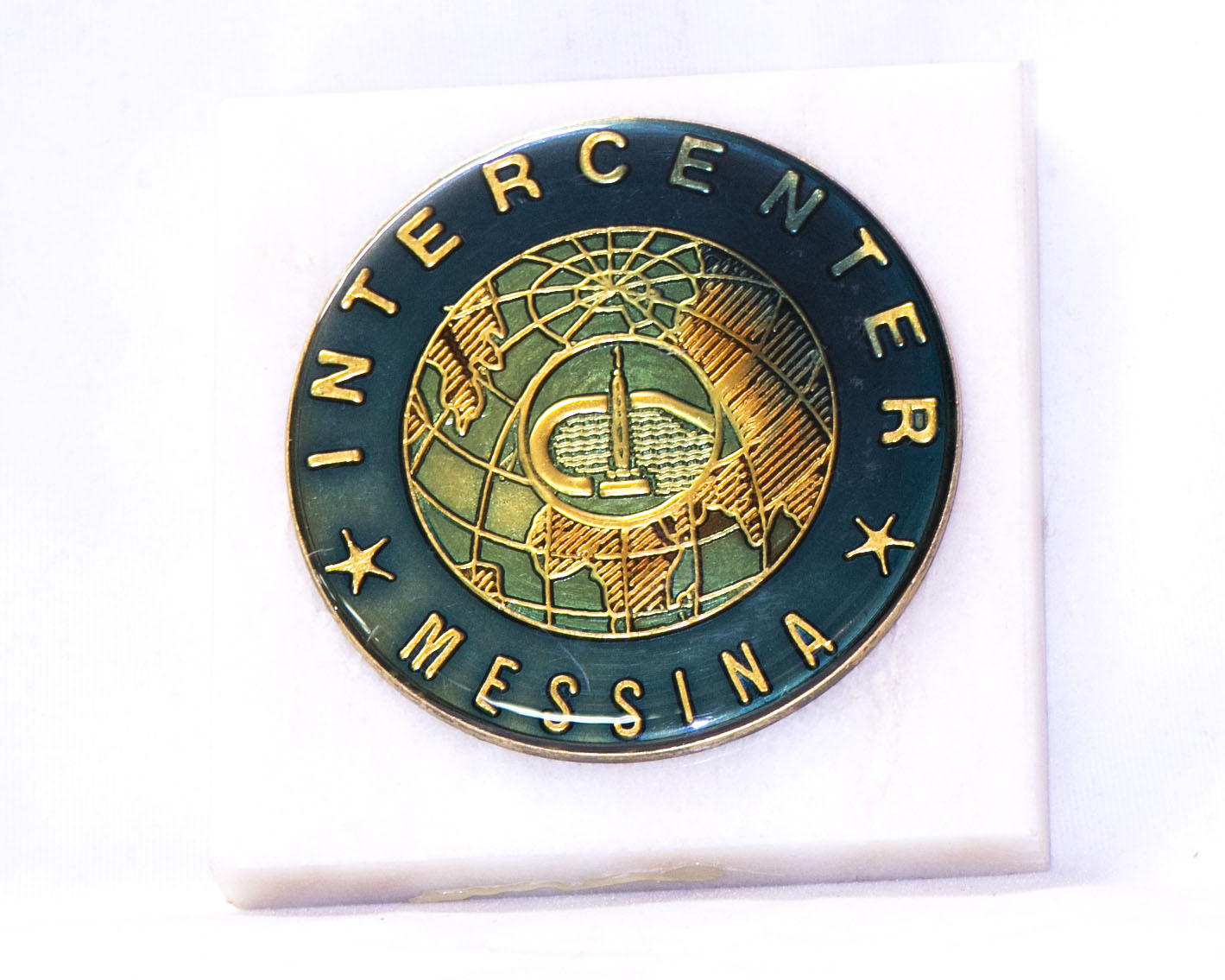
“Smalto,” or enamel, refers to a vitreous glass coating applied to the surface of metal (and sometimes stone or wood) and fired at high temperature.
In Italian and European art, one of the well-known techniques is cloisonné: in this method, thin metal strips (cloisons) are placed on the metal surface, creating small cells that are then filled with enamel glass.
Another technique, known in Italy and Northern Europe, is champlevé: the cells are created by carving into the metal, then filled with enamel.
During the Middle Ages, Italy was one of the important centers of this art, especially the northern regions and Veneto, including cities such as Padua and Venice, which produced examples featuring transparent enamels (traslucido) and advanced techniques. For example, the “Calice di Santa Giustina” from around the 14th–15th century in Padua makes use of enamel.
In later periods, especially the Renaissance and beyond, this art continued in fields such as jewelry, medallions, ceremonial objects, and decorative arts—and it remains alive today in Italian artisan workshops.
An important point is that the use of stone (such as marble or white stone) as a base together with metal and enamel, while not as common as pure metal work, is found in luxury styles and diplomatic gifts (like the piece you shared: “metal with enamel on white stone”).
مدال فلزی با لعاب روی سنگ
“Smalto” یا لعاب به معنای پوشش شیشهای یا vitreous glass است که روی سطح فلز (یا گهگاه سنگ یا چوب) قرار میگیرد و با حرارت پخته میشود.
در هنر ایتالیا و اروپا، یکی از تکنیکهای معروف، cloisonné (کلوآزونه) است: در این روش، نوارهای فلزی باریک (کلوآزونها) روی سطح فلز قرار میگیرند و داخل آن سلولهایی برای شیشهی لعاب ایجاد میشود.
همچنین، تکنیک champlevé (چامپلوره) در ایتالیا و شمال اروپا شناخته است: سلولها با حفر در فلز ایجاد میشوند، سپس با لعاب پر میشوند.
در سدههای میانی (قرون وسطی) ایتالیا از مراکز مهم این هنر بود، بهویژه ناحیههای شمالی و ونتو، از جمله شهرهایی چون پادووا، ونیز و … که نمونههایی از سامانگیری لعابهای شفاف (traslucido) و تکنیکهای پیشرفته داشتند. مثلاً جام «Calice di Santa Giustina» از حدود قرن ۱۴–۱۵ در پادووا با لعاب استفاده شده است.
در دورههای بعدی، مخصوصا رنسانس و دورههای بعد، این هنر در حوزههای مثل جواهرسازی، مدالها، وسایل تشریفاتی، و هنرهای تزئینی ادامه یافت و تا به امروز نیز در کارگاههای هنری ایتالیا زنده است.
نکته مهم اینکه، استفاده از سنگ (مثلاً مرمر یا سنگ سفید) بهعنوان پایه همراه فلز + لعاب، گرچه بهاندازه فلز خالص رایج نیست، اما در شیوههای لوکس و هدیههای دیپلماتیک دیده میشود (مثل قطعهای که شما ارسال کردهاید: «فلز با لعاب روی سنگ سفید»).