
The cities of Isfahan and Iași in Romania share a formal “sister city” relationship.
This partnership agreement was signed in 1999.
The art of Ayeneh-kari (mirror-work) in Iran—particularly in Isfahan—flourished during the Safavid era. In this tradition, mirrors are cut into small or large geometric pieces and installed to decorate the interiors of architectural spaces.
Metalwork has also long been one of Isfahan’s distinguished artistic and industrial crafts; techniques such as metal engraving and embossing are recognized as significant elements of the city’s cultural heritage.
In Romania, metalworking and metal sculpture likewise hold an important place in the artistic landscape. Studies show that Romanian “metal artists” often focus on the relationship between form, material, and the process of shaping metal.
Although specific documentation on “metalwork on mirror surfaces” in Romania has not been found, the combination of metal and mirror has appeared in Romanian decorative and contemporary sculptural arts. This artistic background provides a meaningful context for the cultural gift referenced here.
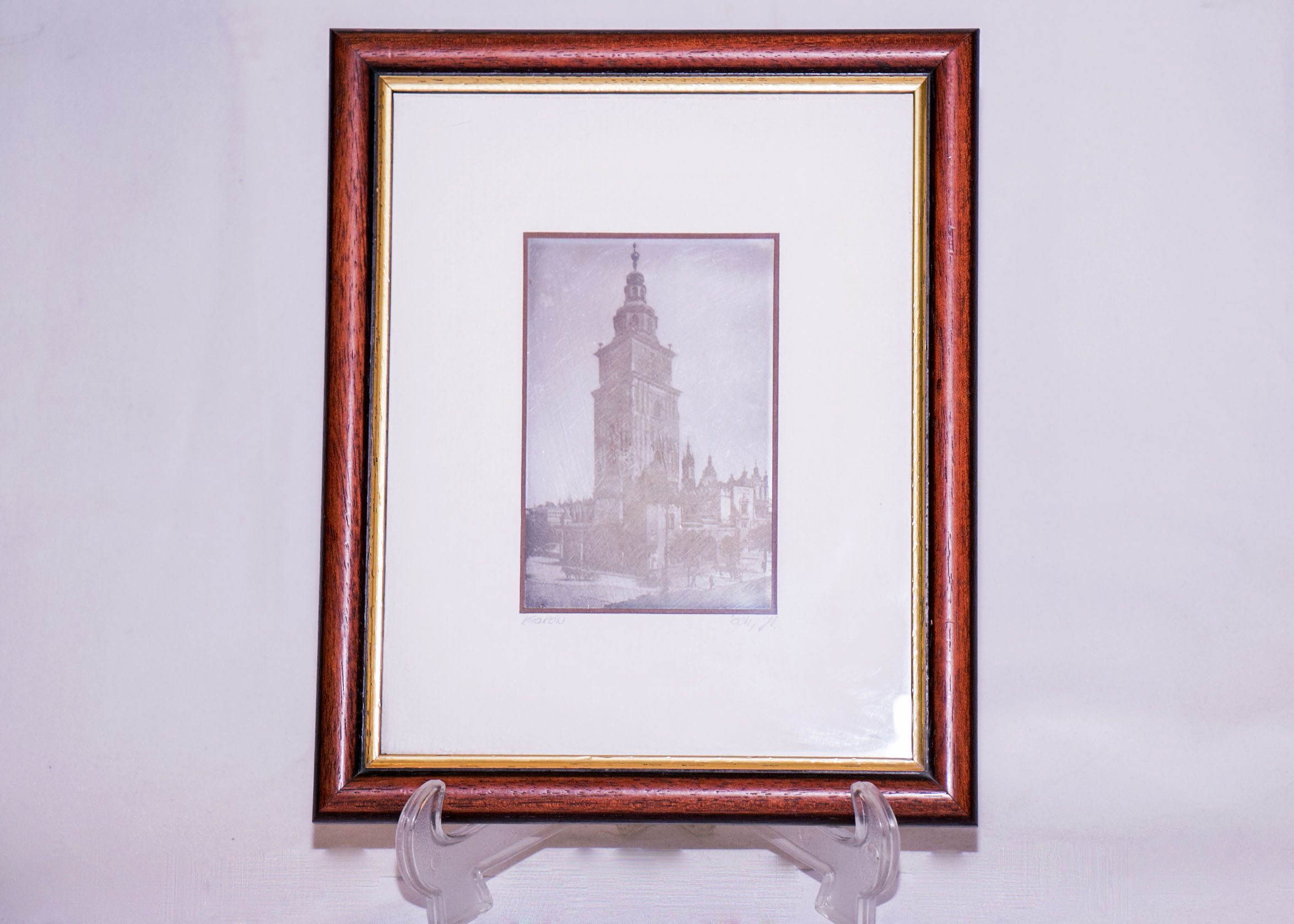
تابلوی فلز روی آیینه
شهر اصفهان و شهر یاش در رومانی رابطه «شهرهای خواهر» دارند.
این قرارداد خواهرخواندگی در سال ۱۹۹۹ امضا شده است.
هنر «آینهکاری» در ایران، بهویژه در اصفهان، از دوره صفوی رواج یافته؛ آینهها به شکل قطعات کوچک یا بزرگ در نمای داخلی ساختمانها به کار رفتهاند.
فلزکاری نیز در اصفهان یکی از هنرهای صنعتی–هنری مهم است؛ مثلاً حکاکی و قلمزنی روی فلز بهعنوان میراث قابلتوجه ثبت شده است.
در رومانی، هنر فلزکاری و مجسمهسازی فلزی نیز جایگاه مهمی دارد؛ مثلاً بررسیهایی نشان میدهند «هنرمندان فلز» رومانیایی عمدتاً بر فرم، ماده و عمل پردازش فلز تمرکز میکنند.
اگرچه مستندات خاصی درباره «فلزکاری روی آینه» در رومانی یافت نشد، اما ترکیب فلز و آیینه در هنرهای تزئینی و مجسمهای معاصر رومانی کاربرد داشته است؛ این زمینه میتواند با هدیه موردبحث تطابق داشته باشد.