
According to the official announcement, the city of Isfahan in Iran and Kuwait City (the capital of Kuwait) signed a sister-city agreement on June 19, 2000 (19/06/2000).
The text of the agreement included areas of cooperation in urban development, tourism, environmental affairs, restoration of ancient mosques, exhibitions, and cultural projects.
Kuwait has a significant heritage of traditional handicrafts, including traditional weaving (“Sadu”; the Sadu Weaving Cooperative Society) practiced by the Bedouin women of the country, as well as pottery, glasswork, leatherwork, metal engraving, wood carving, colored-sand artwork, and more. These crafts reflect the cultural identity of Kuwait.
For example, the Tareq Rajab Museum in Kuwait houses a collection of metalwork, jewelry, ceramics, glass, and Islamic cultural artifacts, demonstrating that metalwork is also an important part of the region’s artistic tradition.
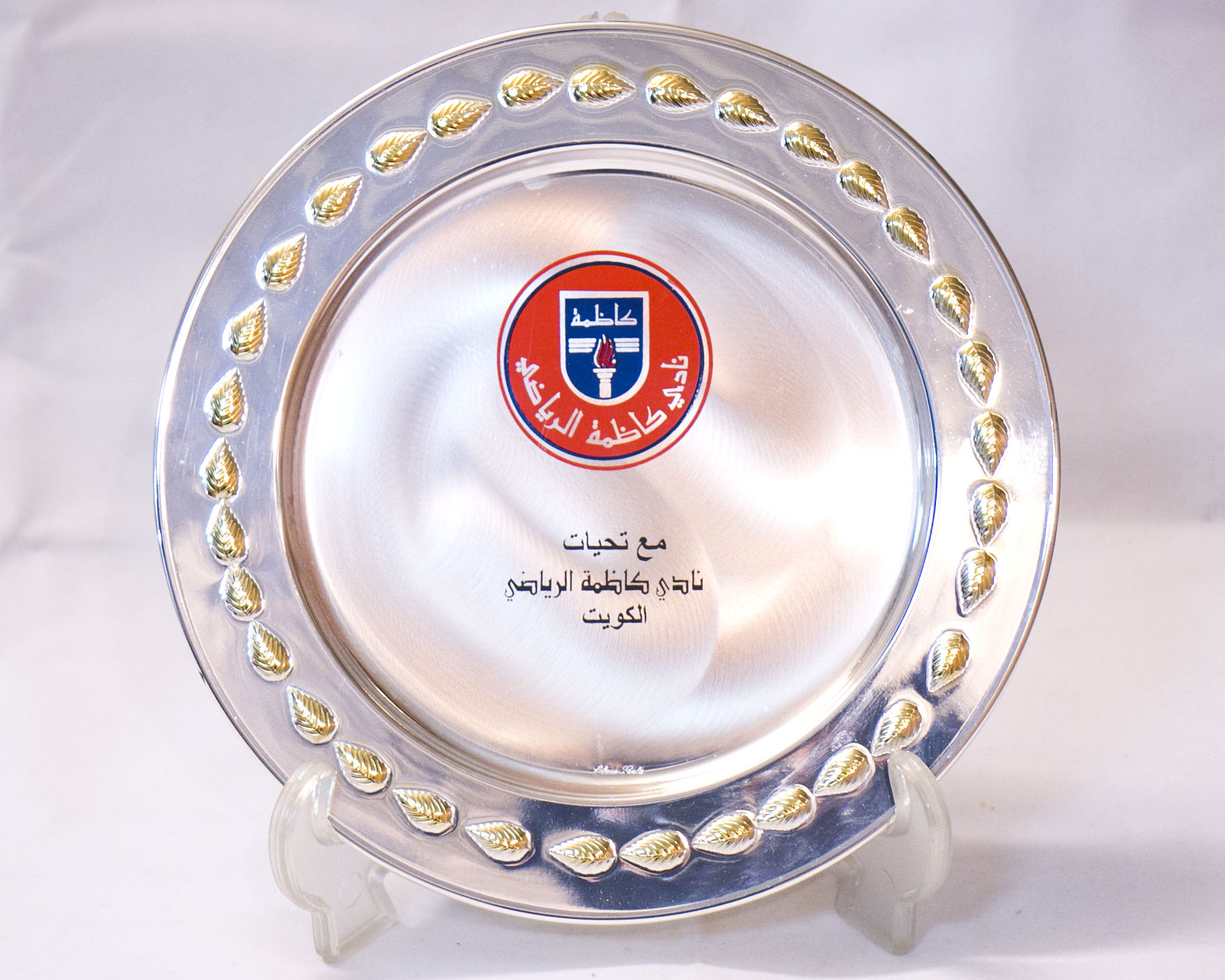
بشقاب یادبود فلزی
طبق اعلام رسمی، شهر اصفهان ایران و شهر کویتسیتی (پایتخت کویت) ۱۹ ژوئن ۲۰۰۰ (۱۹/۰۶/۲۰۰۰) تفاهم-نامه خواهر-شهرها امضا کردند.
متن تفاهمنامه شامل زمینههای همکاری شهری، گردشگری، محیط زیست، بازسازی مساجد باستانی، نمایشگاهها و امور فرهنگی بود.
کویت دارای میراث قابلتوجهی از صنایع دستی سنتی است؛ از جمله بافندگی سنتی («سدو»؛ جمعية الصّدو) که زنان بادیهنشین این کشور انجام میدادند، و همچنین سرامیک، شیشهکاری، چرم، نقشکاری روی فلز، حجاری چوب، کار با شن رنگی و …؛ اینها بیانگر هویت فرهنگی کویت هستند.
به عنوان مثال، موزه موزه طارق رجب در کویت مجموعهای از فلزکاری، جواهرسازی، سرامیک، شیشه و مصنوعات فرهنگی اسلامی را جمعآوری کرده است که نشان میدهد نیز بخشی از سنت هنری منطقه است.