
The city of Iași in Romania is listed as a sister city of Isfahan.
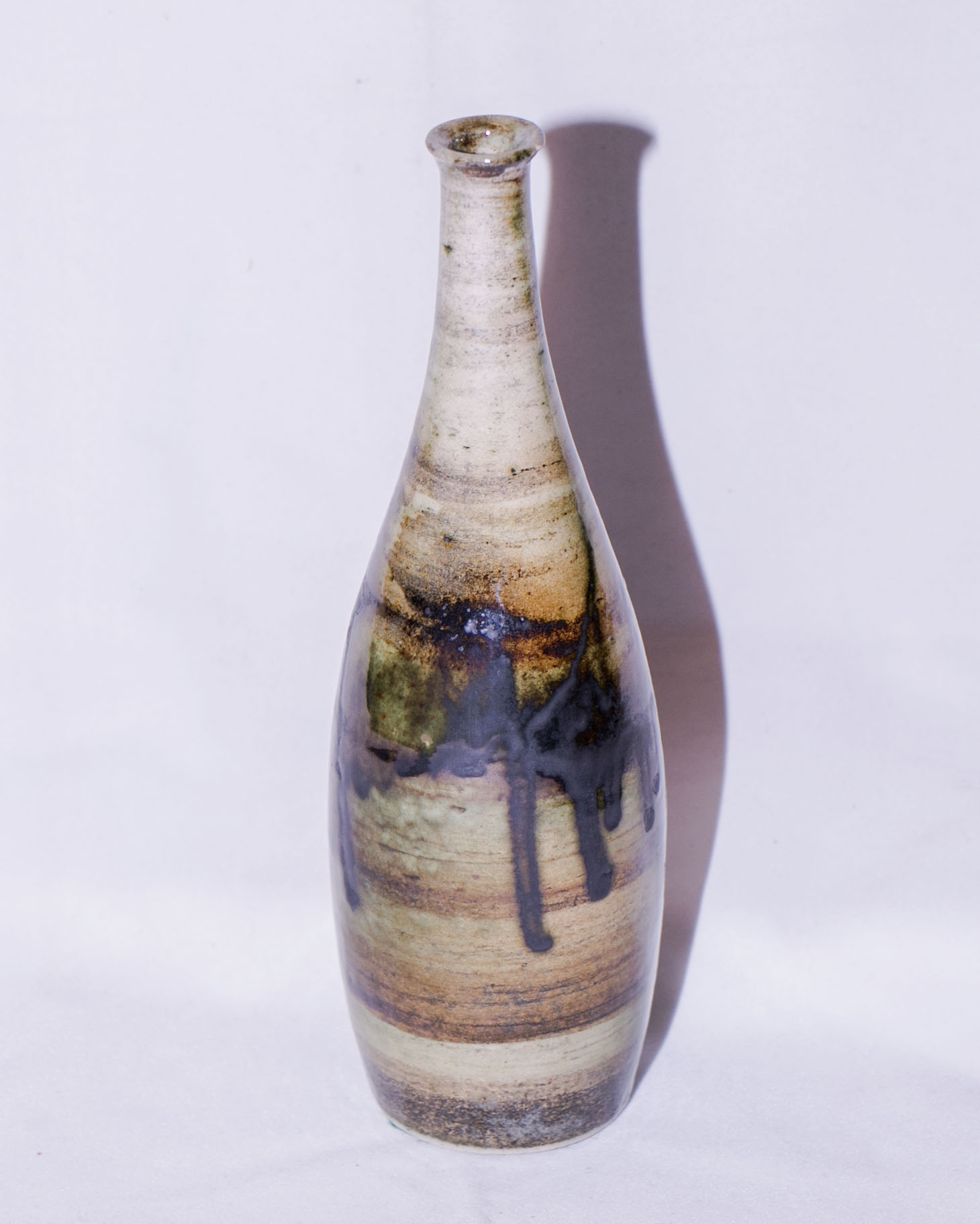
“This gift was presented following the sister-city agreement between the city of Isfahan and the city of Iași in Romania (signed on July 20, 2002). It was given on behalf of the Romanian government or municipality (probably by the Romanian ambassador to Iran) to the then mayor of Isfahan.”
The art of pottery in Romania has very ancient roots: ceramic finds from the Neolithic period have been discovered within the territory of present-day Romania.
After that era, Romanian ceramics came under the influence of the Dacian civilization and ancient Rome.
Over the following centuries, different regions of Romania each developed their own distinctive styles of pottery.
Horezu style: Around the late 17th century, the Horezu region in southern Romania became a center of this art. The colors are mostly white, green, red, and brown, and potters use motifs such as spirals, the Horezu rooster, and the tree of life.
Marginea style: In northern Romania, the village of Marginea is known for its “black ceramics” (or matte black), whose dark color is obtained through a special firing technique.
Engraving, painting over glaze, the use of natural pigments, and the use of the potter’s wheel and wood-fired kilns are among the common features.
گلدان سفالی لعابدار
شهر یاش در رومانی در لیست شهرهای خواهرخوانده با اصفهان فهرست شده است.
«این هدیه در پی قرارداد خواهرخواندگی میان شهر اصفهان و شهر یاش رومانی (که ۲۰ ژوئیه ۲۰۰۲ امضا شد) اهدا شد؛ از طرف دولت یا شهرداری رومانی (احتمالاً توسط سفیر رومانی در ایران) به شهردار وقت شهرداری اصفهان.»
هنر سفالکاری در رومانی ریشهای بسیار کهن دارد: آثار سفال از دوره نوسنگی در قلمرو امروزی رومانی یافت شدهاند.
بعد از آن دوران، سرامیک رومانی تحت تأثیر تمدن داکیها و روم باستان بوده است.
طی قرون بعد، مناطق مختلف رومانی هرکدام سبکهای ویژه خود را در سفالگری پدید آوردند.
سبک Horezu: تقریباً در اواخر قرن ۱۷ میلادی، منطقه هورِزو (Horezu) در جنوب رومانی به مرکز این هنر تبدیل شد؛ رنگها غالباً سفید، سبز، قرمز، قهوهای هستند؛ سفالگران طرحهایی چون مارپیچ، مرغ هورِزو، درخت زندگی به کار میبردند.
سبک Marginea: در شمال رومانی، دهکده Marginea به خاطر «سرامیک سیاه» (ماتی سیاه) شناخته شده است که با تکنیک ویژه رنگ تیره به دست میآید.
حکاکی، نقاشی روی لعاب، استفاده از رنگهای طبیعی، بهکارگیری چرخ سفالگری و کورههای چوبی از ویژگیهای مشترک هستند.