
The city of Isfahan is one of Iran’s major cities that has established sister-city relationships with several foreign cities. According to available sources, Isfahan signed its first sister-city agreement with Xi’an in China on May 7, 1989.
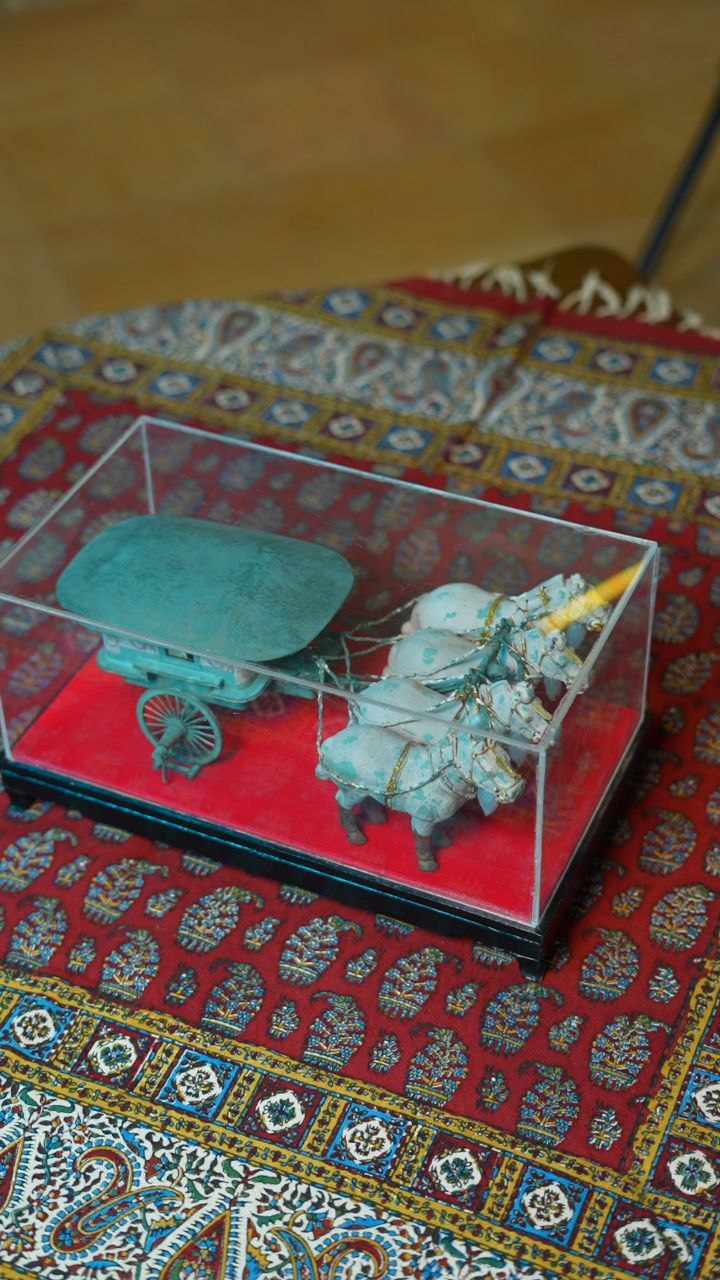
In Xi’an, located in China’s Shaanxi Province, one of the most enduring masterpieces of ancient Chinese bronze craftsmanship can be found: the Bronze Chariots and Horses, which date back to the Qin dynasty and depict the chariots and horses associated with Emperor Qin Shi Huang.
In ancient China, horses and chariots symbolized power, wealth, royalty, and the journey into the afterlife. For example, the Bronze Chariots and Horses in the museum complex of the Terracotta Army in Xi’an are bronze models from the Qin era (3rd century BCE) that were buried to accompany the emperor in the next world.
The production of such sculptures continued across various periods of Chinese history, and they were often used as diplomatic, cultural, and symbolic gifts. For instance, replicas of the famous Flying Horse of Gansu have been presented to the United Nations and to several cities around the world.
مجسمه ارابه و اسب
شهر اصفهان یکی از شهرهای ایران است که روابط خواهرخواندگی با چند شهر خارجی دارد. طبق منبع: «شهر اصفهان نخستین قرارداد خواهرخواندگی را با شهر شیآن (Xi’an) در چین در ۷ مه ۱۹۸۹ امضا کرده است».
در شهر شیآن واقع در استان شانشی چین، یکی از آثار ماندگار هنر برنزی متعلق به دوره سلسله Qin وجود دارد با عنوان «Bronze Chariots and Horses» که مربوط به ارابهها و اسبها در دوران امپراتور چین شِی هوانگ است.
در چین باستان، اسب و ارابه نمادی از قدرت، ثروت، سلطنت و سفر در جهان پس از مرگ بودند. مثلاً اثر «Bronze Chariots and Horses» در موزۀ اراده «ارتش ترّاکوتا» در شیآن، ارابهها و اسبهای برنزی از دوره Qin (قرن سوم پیش از میلاد) هستند که برای همراهی امپراتور در جهان دیگر دفن شده بودند.
تولید چنین مجسماتی در چین زمانهای مختلف ادامه یافته و بهعنوان هدایای دیپلماتیک، فرهنگی و نمادین نیز بهکاررفتهاند — بهعنوانمثال، کپیهایی از اسب برنزی گانسو به سازمان ملل یا شهرهای دیگر اهدا شدهاند.