
According to reputable websites, the city of Isfahan and the city of Iași in Romania signed a sister-city agreement on May 10, 1999.
Romania has an artistic heritage influenced by Celtic, Roman, Byzantine, and local traditions. In terms of Romanian metalwork, for example, there is the Pietroasele Treasure in Romania, which includes vessels and decorative metal artifacts.
Although there is limited information indicating that Romania produced metal enamelwork in the Eastern or Asian style during the modern era, it can be said that in the late 19th and early 20th centuries, European artists developed an interest in metal-enamel techniques, and these methods spread across Europe.
Moreover, considering that Romania lies at the crossroads of Eastern and Western cultures, it is likely that glazed metalworking techniques in Romania were influenced by its proximity to the Byzantine Empire as well as Central and Eastern Europe, although direct sources are scarce.
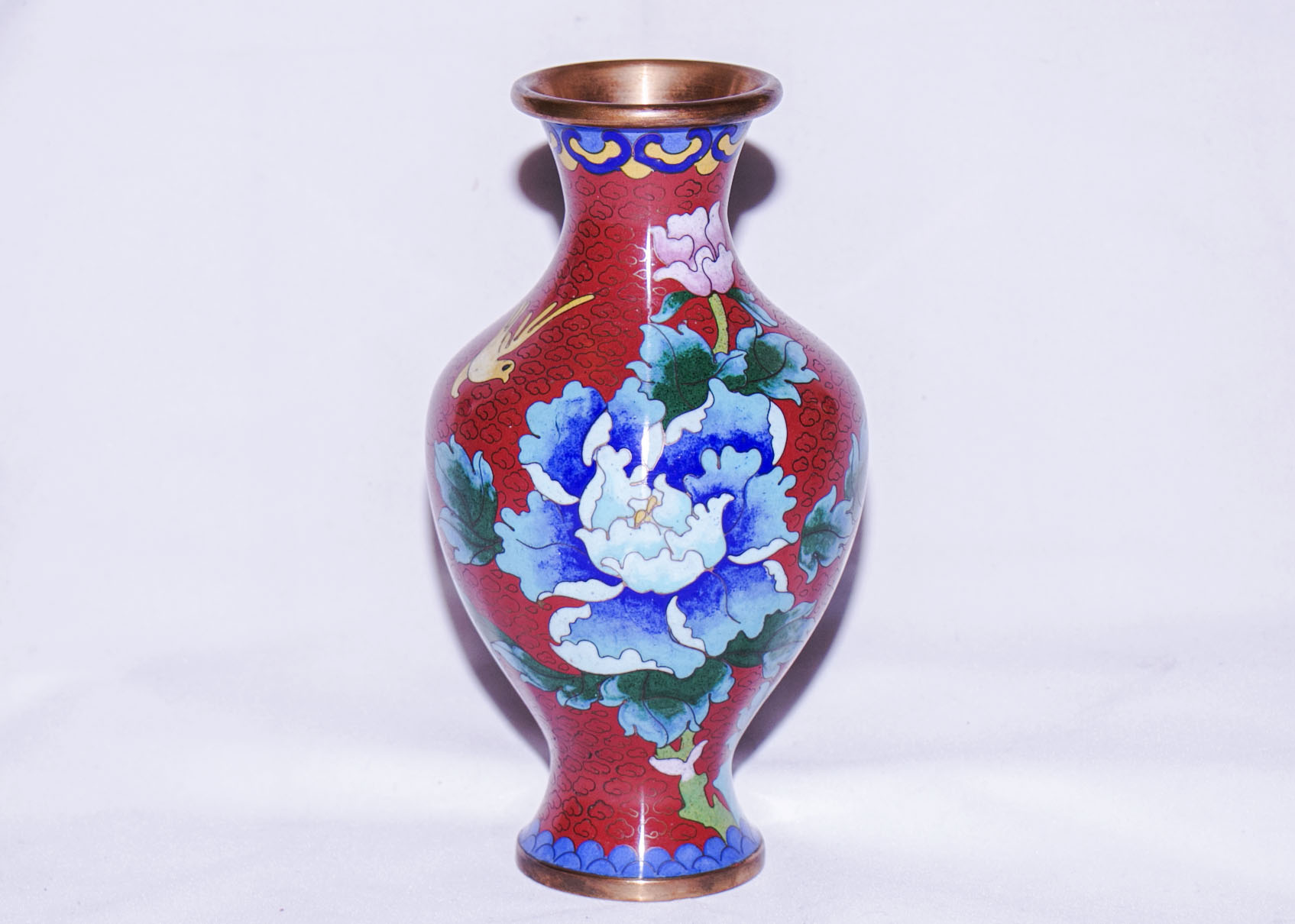
Therefore, if this vase—as seen in the image—features enamel glaze (meaning glass fused onto metal), it can be suggested that the use of such an object as a diplomatic gift symbolizes cultural exchange between Iran (with the city of Isfahan having a long history in metal-enamel art) and Romania.
گلدان برنجی با لعاب مینا
طبق وبسایتهای معتبر، شهر اصفهان و شهر یاşi در رومانی در تاریخ ۱۰ می ۱۹۹۹ با هم قرارداد خواهرخواندگی امضا کردهاند.
رومانیستان هنری دارد که ترکیبی از تأثیرات سلت، رومی، بیزانسی و محلی بوده است. در خصوص فلزکاری رومانی، بهعنوانمثال گنجینه «Pietroasele Treasure» در رومانی وجود دارد که شامل ظروف و فلزکاریهای تزئینی است.
اگرچه اطلاعات اندکی موجود است که دقیقاً رومانی در دوره مدرن اقدام به تولید میناکاری فلزی به سبک شرقی یا آسیایی کرده باشد، میتوان گفت که در اواخر قرن ۱۹ و اوایل قرن ۲۰، هنرمندان اروپایی به تکنیکهای مینای فلز علاقهمند بودند و این تکنیکها در سراسر اروپا گسترش یافتند.
همچنین، با توجه به اینکه رومانی در مرز فرهنگهای شرق و غرب قرار دارد، احتمال دارد تکنیکهای فلزکاری با لعاب در رومانی تحت تأثیر مجاورت با امپراتوری بیزانس، اروپای مرکزی و شرقی بوده باشد، گرچه منابع مستقیم اندکاند.
بنابراین، اگر این بشقاب یا گلدان – همانطور که تصویر نشان میدهد – دارای لعاب مینا (به معنای شیشهای چسبانده شده روی فلز) باشد، میتوان مطرح کرد که استفاده از چنین شیءای بهعنوان هدیه دیپلماتیک، نمادی از تبادل فرهنگی میان ایران (که شهر اصفهان سابقه طولانی در هنر مینای فلز دارد) و رومانی بوده است.