
Based on available sources, the city of Isfahan in Iran and the city of Barcelona in Spain signed a sister-city agreement on January 14, 2000 (14.01.2000).
– In this agreement, the Municipality of Isfahan and the Municipality of Barcelona agreed to expand their cultural, artistic, and urban relations.
First, the introduction of coffee to Spain: according to one source, the first person who drank coffee in Spain did so around 1596, reported from Ethiopia.
Then, the first public café in Madrid was established in 1765.
Second, throughout the 18th and 19th centuries, cafés in Spain became gathering places for intellectuals, artists, and citizens — venues for literary, political, and artistic discussions.
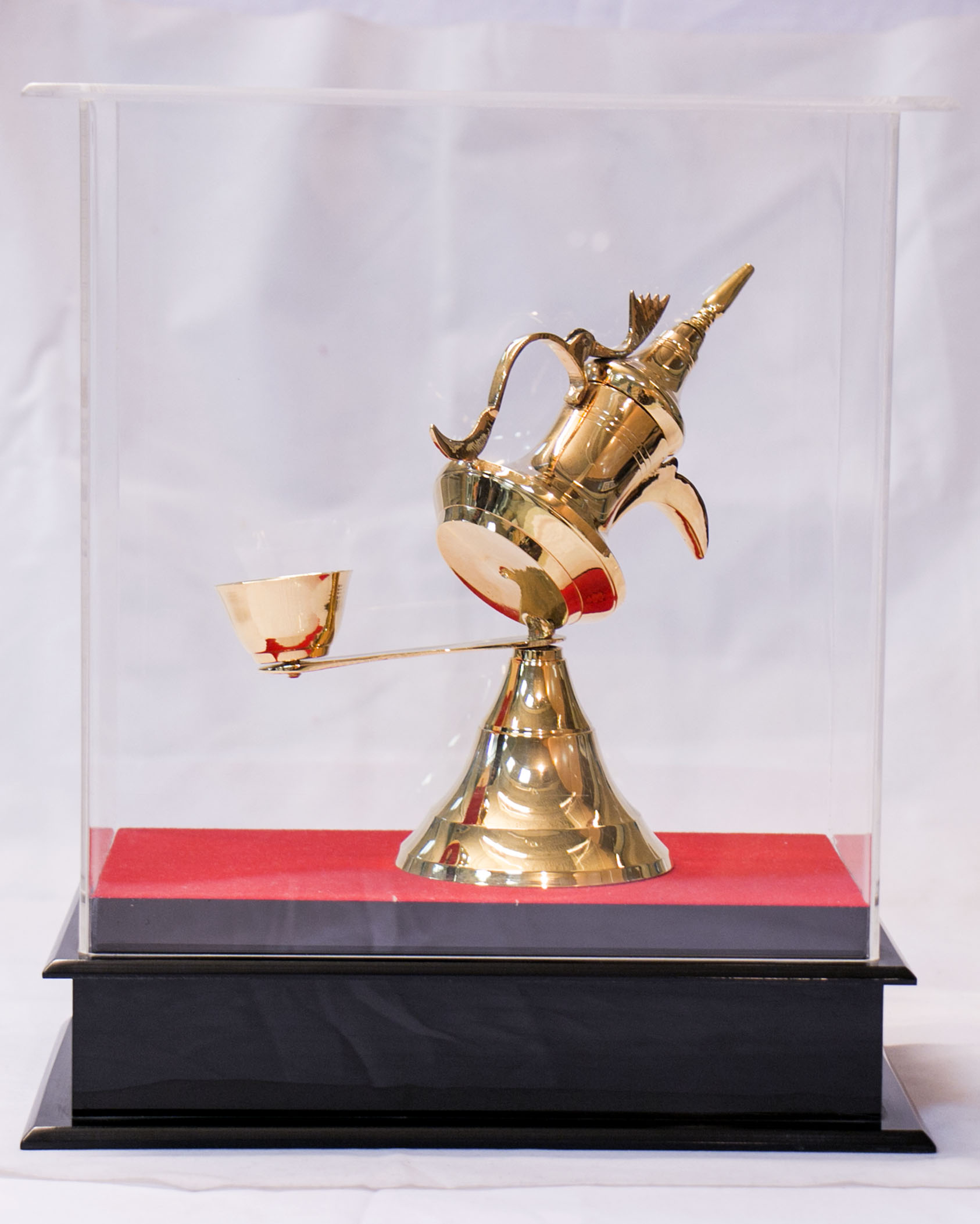
Third, the tools and vessels used for serving coffee also hold significance. Although there is no specific documentation regarding a “brass coffee-pot sculpture,” metals such as brass (latón) or bronze are commonly seen in coffee-serving utensils or culturally related vessels. (For example, the culture of the Persian Gulf region used the dallah for coffee; although not Spanish, it reflects the importance of metalwork in coffee-serving traditions.)
In cities like Barcelona, the culture of café-sitting is an essential aspect of urban life; therefore, gifting or exchanging an artistic or decorative metal vessel symbolizing a “coffee pot” can serve as a symbolic reference to this culture — a symbol of “café culture,” “conversation,” “urban life,” and “friendship between cities.”
مجسمه برنجی قهوه خوری
براساس منابع موجود، شهر اصفهان ایران با شهر بارسلونا اسپانیا در تاریخ ۱۴ ژانویه ۲۰۰۰ (۱۴٫۰۱٫۲۰۰۰) قرارداد خواهرخواندگی امضا کردهاند.
– در این قرارداد، شهرداری اصفهان با شهرداری بارسلونا توافق کردند که روابط فرهنگی، هنری و شهریشان را توسعه دهند.
نخست، ورود قهوه به اسپانیا: طبق یکی از منابع، نخستین فردی که قهوه را در اسپانیا نوشید، بوده که حدود سال ۱۵۹۶ از اتیوپی گزارش شده است.
سپس اولین کافه عمومی در مادرید در سال ۱۷۶۵ تأسیس شد.
دوم، در طول قرن ۱۸ و ۱۹، کافهها در اسپانیا تبدیل به محل گردهمایی روشنفکران، هنرمندان و شهروندان شدند؛ جایی برای بحثهای ادبی، سیاسی، هنری.
سوم، ابزارها و ظروف سرو قهوه نیز دارای اهمیتاند — هرچند در منابع مذکور مستندی درباره «مجسمه برنجی قهوهخوری» خاص وجود ندارد، اما معمولاً فلزاتی مانند برنج (latón) یا برنز در ابزارهای سرو قهوه یا ظروف مرتبط فرهنگی دیده میشوند. (مثلاً فرهنگ منطقهٔ خلیج فارس از «dallah» برای قهوه استفاده میکرد؛ هرچند اسپانیا نیست، اما نشاندهنده اهمیت فلزکاری در فرهنگ سرو قهوه است).
در شهرهایی مانند بارسلونا، این فرهنگ کافهنشینی یکی از وجوه مهم حیات شهری است؛ لذا اهدا یا تبادل یک ظرف هنری/کادوی فلزی که نمادی از «قهوهخوری» باشد، میتواند اشارهای نمادین به این فرهنگ داشته باشد — نمادی از «کافهنشینی»، «گفتوگو»، «فرهنگ شهری» و «دوستی بین شهرها